Verification Protocols: Balancing Security and Speed in Instant Sports Betting and Gaming Applications
Avery Schröder · Jul 21, 2026
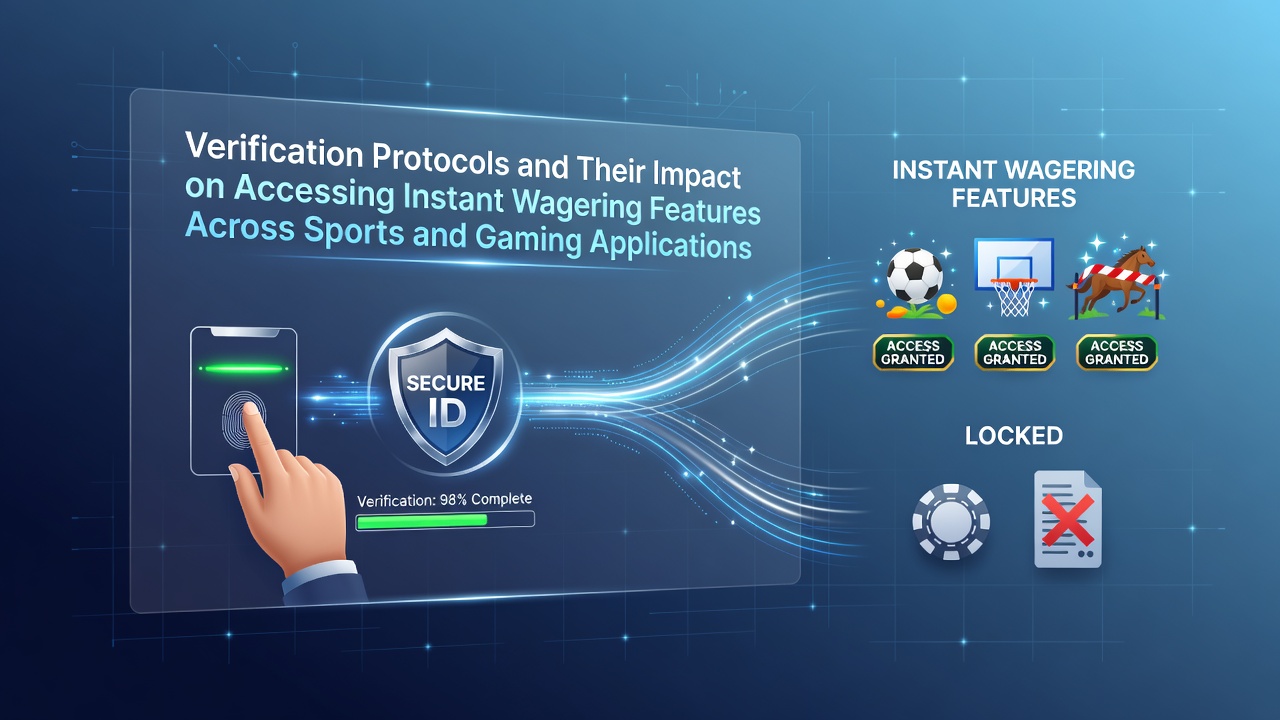
Verification Protocols: Balancing Security and Speed in Instant Sports Betting and Gaming Applications
Verification protocols form the backbone of access controls in sports betting and gaming applications, determining how quickly users can place instant wagers on events ranging from soccer matches to casino table games, and these systems have evolved significantly by July 2026 to incorporate layered checks that combine document verification with biometric data. Operators integrate protocols such as Know Your Customer requirements, age confirmation through government-issued identification, and address validation to comply with regional licensing standards while enabling features like real-time deposits and live betting interfaces.
Core Components of Modern Verification Systems
Many platforms deploy multi-stage verification that begins with basic registration details and progresses to full identity confirmation using optical character recognition on uploaded documents followed by facial recognition scans, which allows users who complete these steps to unlock instant wagering tools without repeated delays during high-volume events. Data from the Alcohol and Gaming Commission of Ontario shows that streamlined protocols reduced average verification times to under five minutes for compliant users in 2026, directly supporting seamless access to in-play betting on racing and team sports. Those who encounter mismatches in document scans often face temporary holds that block immediate transactions until manual review resolves discrepancies.
Regional Variations and Regulatory Influences
European frameworks emphasize data protection alongside verification, requiring explicit consent for biometric storage, whereas North American jurisdictions prioritize rapid approval tied to state or provincial licenses, creating differences in how quickly gaming apps activate features like bonus claims and cash-out options. Observers note that apps serving multiple markets adjust their flows dynamically, applying stricter checks in regions with higher regulatory scrutiny to maintain operational approvals. Research from the University of Nevada, Las Vegas Center for Gaming Research indicates that jurisdictions with automated cross-referencing of identification databases achieved higher rates of successful instant access for verified accounts compared to those relying solely on manual processes.
Impact on Transaction Speed and User Access
Instant wagering depends on verification completion because unverified accounts typically encounter restrictions on deposits, withdrawals, and live odds engagement, which forces operators to design progressive verification that grants partial access after initial checks and full functionality once all layers clear. In practice this means a user who uploads identification during signup can often begin placing small wagers immediately, yet larger stakes or promotional redemptions wait for secondary confirmation through bank linkage or address proof. Platforms that integrate third-party services for real-time database lookups report fewer interruptions, allowing continuous participation in fast-paced soccer markets and casino spins.
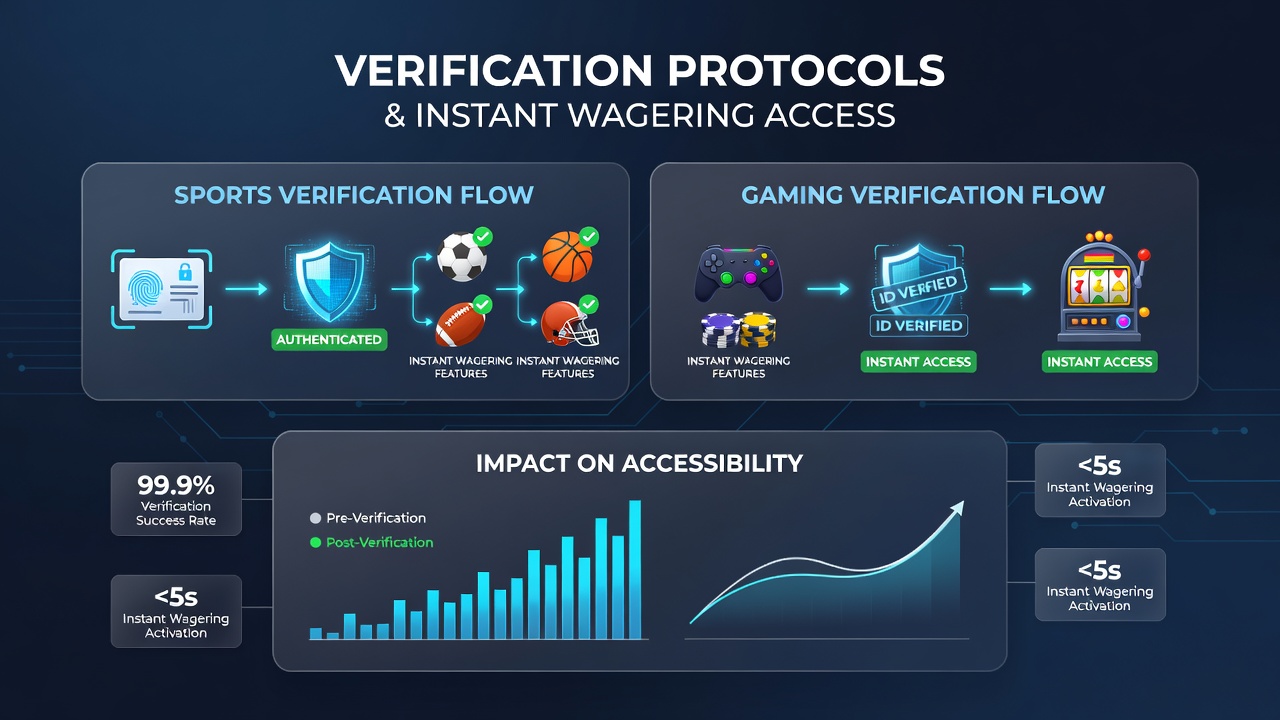
Delays arise most frequently during peak periods when manual reviews backlog, and applications counter this by offering priority queues for users who opt into advanced biometric options such as fingerprint or facial matching stored on-device. Figures reveal that accounts passing automated verification experience deposit processing in seconds, whereas those requiring human intervention average twenty minutes or more, affecting participation in time-sensitive horse racing or live gaming sessions.
Technical Integration with Wagering Features
Developers embed verification status checks directly into betting engines so that features such as one-click wagers, real-time balance updates, and promotional triggers activate only for fully verified profiles, preventing unauthorized activity while preserving speed for approved users. This integration relies on API connections between identity providers and gaming servers that update account flags instantly upon successful validation. Applications serving global audiences often maintain separate verification pathways for different regulatory zones, ensuring that a user in one region gains immediate access to live casino tables while another completes additional residency checks before similar functionality appears.
Challenges and Ongoing Adjustments
Security concerns drive continued refinement of protocols, with operators responding to emerging fraud patterns by adding behavioral analytics that monitor login patterns alongside traditional document checks, yet these additions can occasionally extend verification windows for legitimate users during initial setup. Studies indicate that hybrid systems combining artificial intelligence screening with selective human oversight maintain high accuracy rates while minimizing friction for the majority of applicants. As of July 2026, several major platforms reported incremental improvements in completion rates after introducing mobile-first verification flows that leverage device cameras for document capture and real-time feedback.
Conclusion
Verification protocols continue to shape the availability of instant wagering across sports and gaming applications by enforcing compliance requirements that directly influence transaction timelines and feature access, and their ongoing adaptation reflects the need to balance regulatory demands with user expectations for speed. Regional differences persist in implementation, yet the overall trend points toward greater automation that supports quicker onboarding without compromising security standards. Data from multiple jurisdictions demonstrates measurable effects on participation rates once verification completes, highlighting the central role these systems play in the operational framework of digital betting environments.