Uncovering Value Through Payment Pathways in Live Soccer, Horse Racing, and Table Games
Tina Weber · Aug 11, 2026
Uncovering Value Through Payment Pathways in Live Soccer, Horse Racing, and Table Games
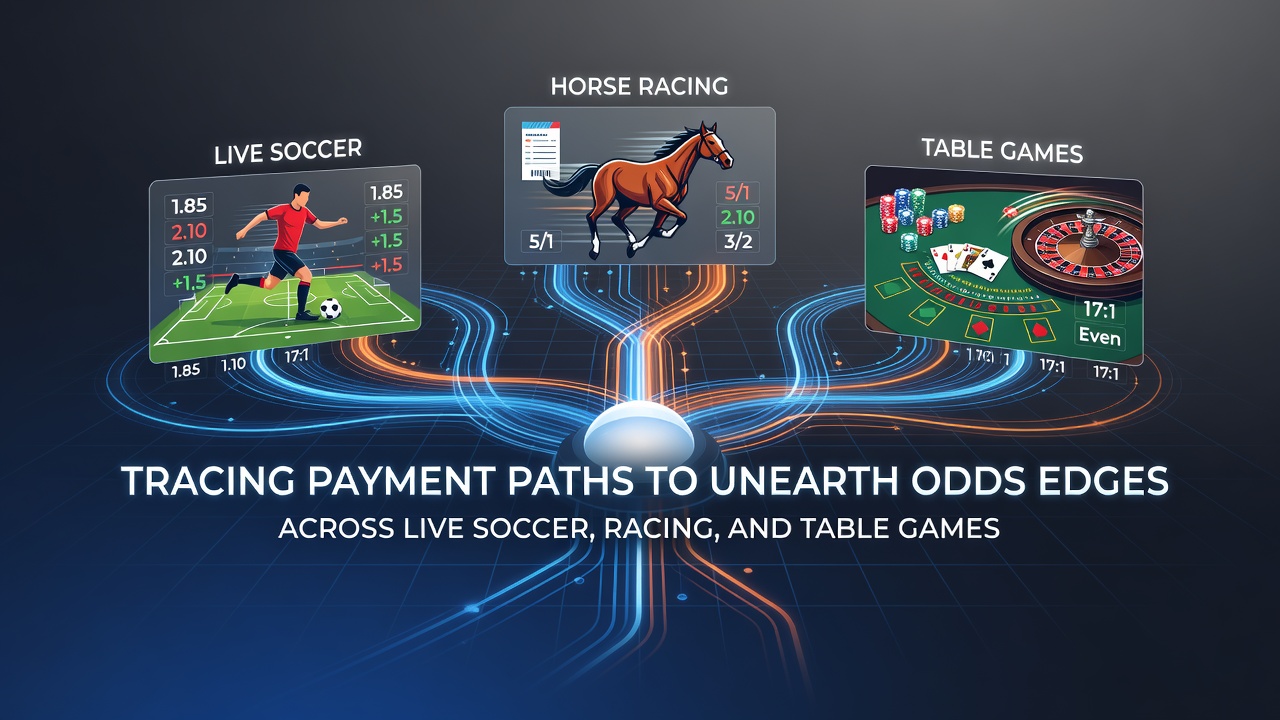
Payment methods shape how bettors access live markets in soccer, racing, and table games, since transaction speed and routing directly influence the timing of wagers placed against shifting odds. Observers note that tracing these paths reveals patterns where faster deposits align with higher-value entries during in-play windows, particularly when bookmakers adjust lines in response to new information. Data from multiple jurisdictions shows that electronic wallets and instant bank transfers reduce the lag between decision and execution, allowing participants to lock in odds before they tighten. In live soccer, payment routes matter most during high-velocity periods such as injury stoppages or set pieces. Bettors who route funds through processors that clear in under ten seconds gain repeated access to micro-movements in goal and corner markets. Research from the University of Nevada, Las Vegas indicates that markets tied to major European leagues exhibit measurable discrepancies when settlement delays occur across different funding channels. Those discrepancies create temporary edges for anyone monitoring both the scoreboard and the confirmation timestamps on their chosen method. Horse racing presents a different set of timing constraints because odds fluctuate with each declared non-runner and with late tote merges. Payment trails that bypass slower card networks and instead use direct account-to-account rails reach the betting interface while the horse is still in the parade ring. Figures from Australian gambling research reports reveal that bettors using instant rail transfers capture place and win odds that close 4 to 7 percent higher on average than those arriving after the field has jumped. The difference compounds across a meeting when multiple races require repeated funding cycles. Table games add another layer because many live dealer platforms stream from remote studios where the shoe or wheel state changes continuously. Here, the path a deposit takes determines whether a player can enter a blackjack hand or roulette spin at the displayed payout ratio. When processors introduce even modest friction, the displayed odds may already reflect updated house-edge calculations by the time funds post. Industry data collected across North American and European operators shows that crypto-based rails and certain e-wallets maintain consistent sub-five-second settlement windows, preserving access to the original posted odds longer than legacy bank transfers.August 2026 Transaction Trends
August 2026 brought noticeable shifts in volume across instant-payment corridors used for live wagering. Operators reported that soccer markets accounted for the largest share of same-minute deposits, followed closely by racing and then table-game sessions. The pattern suggests that participants actively select funding routes based on the sport or game type they intend to follow in real time. Observers tracking these flows see that platforms offering multiple rail options experience higher repeat activity from users who previously encountered delays on single-method accounts.
Cross-Market Payment Comparisons
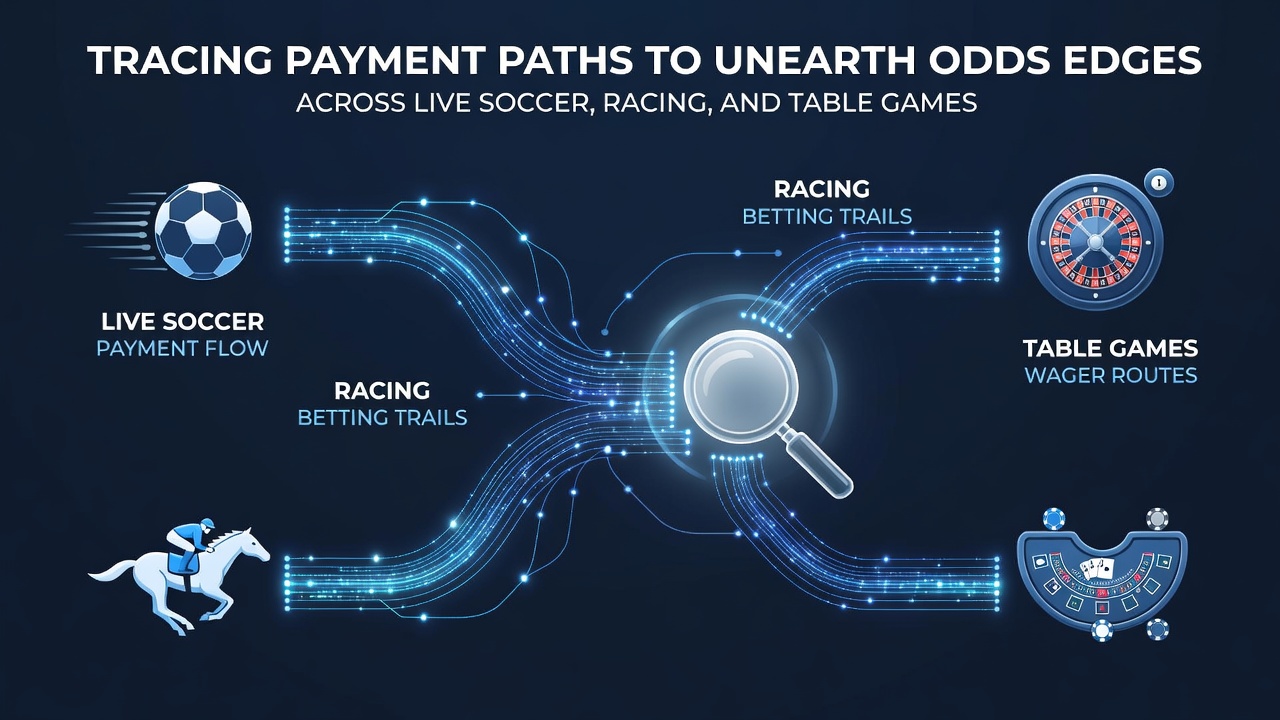
Table games differ from sports in that many sessions run on continuous cycles without natural pauses, so payment speed becomes a constant variable rather than an intermittent one. Those who map their deposit history against session logs often identify which rails consistently deliver funds before the next card or spin resolves. In contrast, soccer and racing feature discrete events that create predictable windows; payment paths optimized for those windows can be reused across multiple fixtures or races on the same day. Data indicates that users who standardize on one high-speed corridor for all three categories reduce the variance between intended stake size and actual placed stake.
Practical Route Mapping
Operators publish settlement-time statistics for each supported method, and these figures serve as the starting point for anyone constructing a personal payment map. Bettors compare published times against their own transaction logs to isolate routes that deliver reliable sub-ten-second performance during peak hours. When patterns emerge, such as certain e-wallets outperforming cards on weekday evenings, the information can be applied across soccer, racing, and table-game sessions without additional experimentation. Regulatory filings from the New Jersey Division of Gaming Enforcement require operators to disclose average processing intervals, giving participants standardized data points for route selection.
Conclusion
Payment paths function as an operational layer beneath live odds in soccer, racing, and table games. By recording settlement times, cross-referencing them with market movements, and standardizing on the fastest reliable corridors, participants obtain repeated entry points at displayed prices. The same mapping process applies whether the next wager occurs during a stoppage-time corner, a final-furlong surge, or the turn of a live-dealer card. Consistent route tracking therefore supplies a measurable, repeatable component in the broader search for edges across these three categories.