Tracing Transaction Trails: How Funding Choices Shape Value Searches in App-Driven Football and Racing Bets
Dana Vogel · Jun 9, 2026
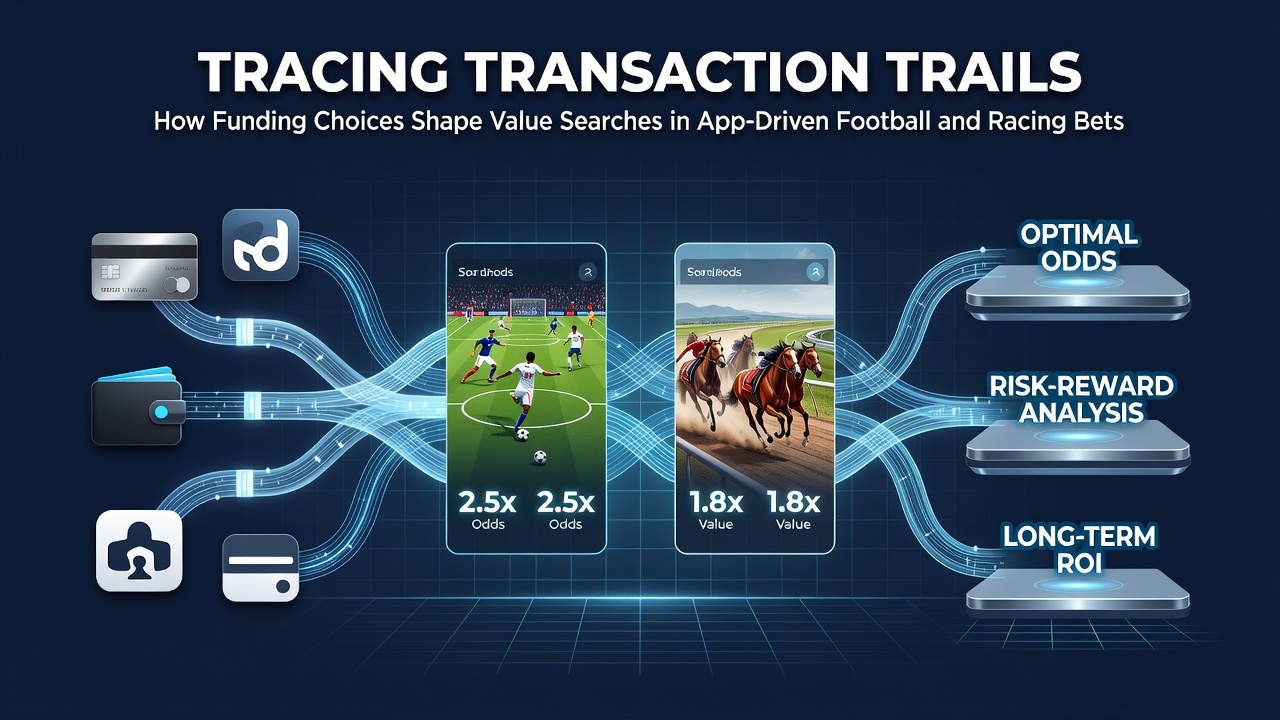
Tracing Transaction Trails: How Funding Choices Shape Value Searches in App-Driven Football and Racing Bets
Funding methods in mobile betting applications determine how quickly users access markets and compare odds across football and horse racing events; electronic wallets often complete deposits in seconds whereas bank transfers introduce delays that shift the timing of value identification. Observers note that these differences create distinct patterns in how bettors locate favorable prices during live markets or pre-event windows.
Payment Pathways and Their Influence on Market Access
App developers integrate multiple deposit channels including digital wallets, debit cards, and direct bank links, each carrying specific processing times and fee structures that affect overall bankroll deployment. Those who study transaction data find that instant options allow repeated balance checks against fluctuating odds, while slower methods limit the number of comparisons a user completes before an event starts. Researchers tracking app usage patterns report that payment speed correlates directly with the frequency of odds refreshes during high-volume periods such as weekend football fixtures or major racing festivals.
Transaction fees also factor into net returns when bettors calculate implied probabilities; certain card processors add percentage charges that reduce effective stake sizes and alter the threshold for what qualifies as positive expected value. Industry reports compiled by the European Gaming and Betting Association show that users who select fee-free methods maintain larger working balances across multiple selections in both football accumulators and racing exotics.
Football Markets: Real-Time Adjustments and Deposit Timing
Live football betting requires rapid funding because in-play odds adjust after every significant event on the pitch; applications that process deposits without interruption let users move capital between accounts to chase updated lines. Data from platform analytics indicates that bettors using instant wallets place more corrective wagers after goals or red cards compared with those relying on traditional transfers that may still be pending. The gap becomes pronounced during evening European league matches when liquidity concentrates in specific scoreline and player prop markets.
Cross-app comparisons grow more efficient when deposits clear immediately, allowing simultaneous evaluation of line shopping opportunities between operators. Observers tracking June 2026 activity recorded increased multi-app usage during the final weeks of domestic seasons, with wallet-funded accounts showing higher rates of switching between bookmakers to secure marginal price improvements.
Racing Bets: Pre-Event Windows and Multi-Leg Calculations
Horse racing markets operate on tighter pre-post deadlines, so funding delays directly reduce the time available for form analysis and odds verification across multiple runners. Studies conducted by the Australian Gambling Research Centre highlight that users who preload accounts via instant methods complete more thorough examinations of tote versus fixed-odds discrepancies before race fields jump. This preparation proves especially relevant in handicaps where small pricing edges compound across place and win combinations.
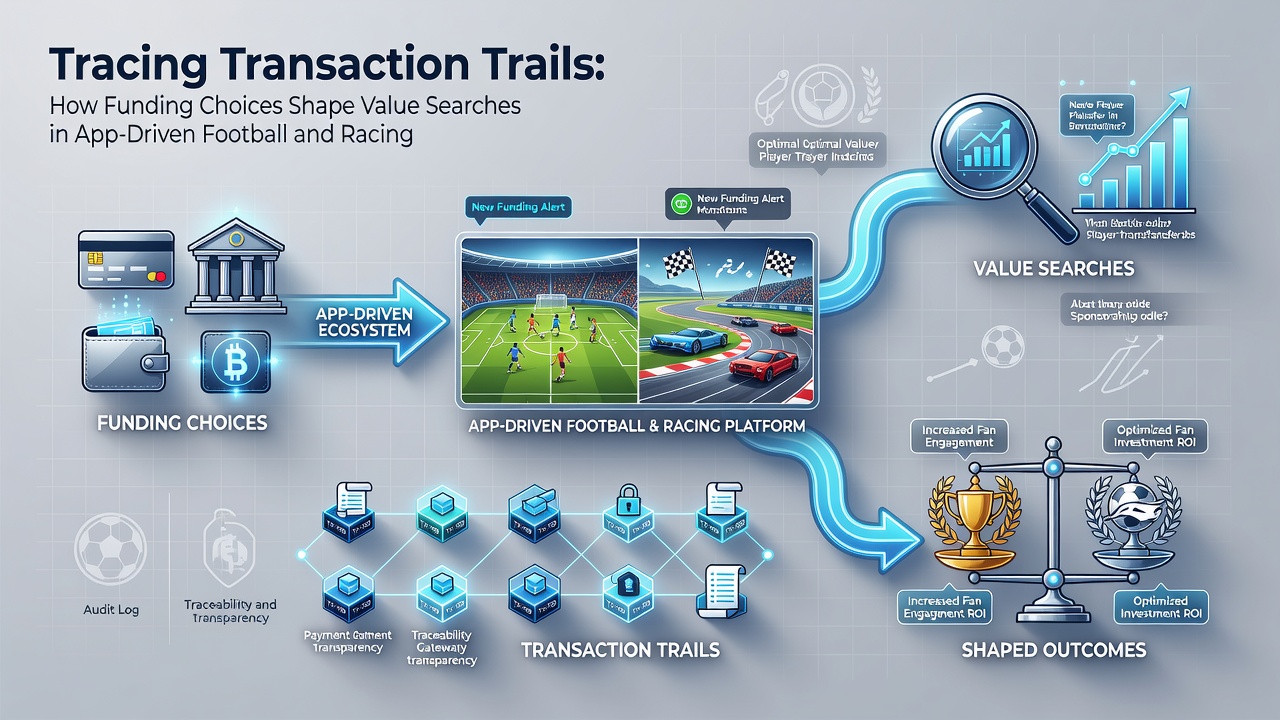
Multi-race bets such as doubles and forecasts demand sequential stake calculations that benefit from uninterrupted access to funds; payment friction can force users to simplify selections or abandon certain combinations altogether. Figures released in mid-2026 by Canadian provincial regulators documented seasonal spikes in racing handle coinciding with faster payment adoption rates among mobile users.
Security Protocols and Their Effect on Search Efficiency
Verification layers attached to different funding sources add another variable to transaction trails; some wallet providers require only initial authentication while bank transfers trigger repeated checks that interrupt live betting sessions. Those who monitor user behavior note that streamlined security flows preserve momentum during value searches, whereas additional confirmation steps often coincide with missed pricing windows in both football and racing. Platform operators continue refining these processes to balance regulatory compliance with operational speed.
Geographic restrictions on certain payment rails further shape which markets remain accessible at any given moment; users in regions with limited banking integration rely more heavily on digital alternatives that bypass traditional infrastructure. Reports from gaming research groups indicate these preferences stabilize over time as applications expand their supported methods.
June 2026 Trends in Funding Behavior
Activity logs from the first half of 2026 reveal growing adoption of contactless and biometric-linked deposits, which shorten the interval between decision and placement across both sports. Analysts examining aggregated transaction volumes observed that football markets captured larger shares of rapid funding during weekday evening windows, while racing maintained steadier pre-event deposit patterns on weekends. The divergence reflects differing event cadences and the corresponding need for flexible capital movement.
Conclusion
Transaction trails created by funding selections establish measurable boundaries around how effectively users identify and act upon value in app-based football and racing betting environments. Payment speed, associated costs, and verification requirements collectively determine the number of market comparisons completed before odds finalize or events conclude. Data collected through 2026 continues to illustrate these connections across different operators and user segments without prescribing any single optimal pathway.