The Ripple Effect: How Collective Betting Echo Chambers Drive Shifts in Live Football Wagers and Racing Futures
Dana Vogel · Apr 19, 2026
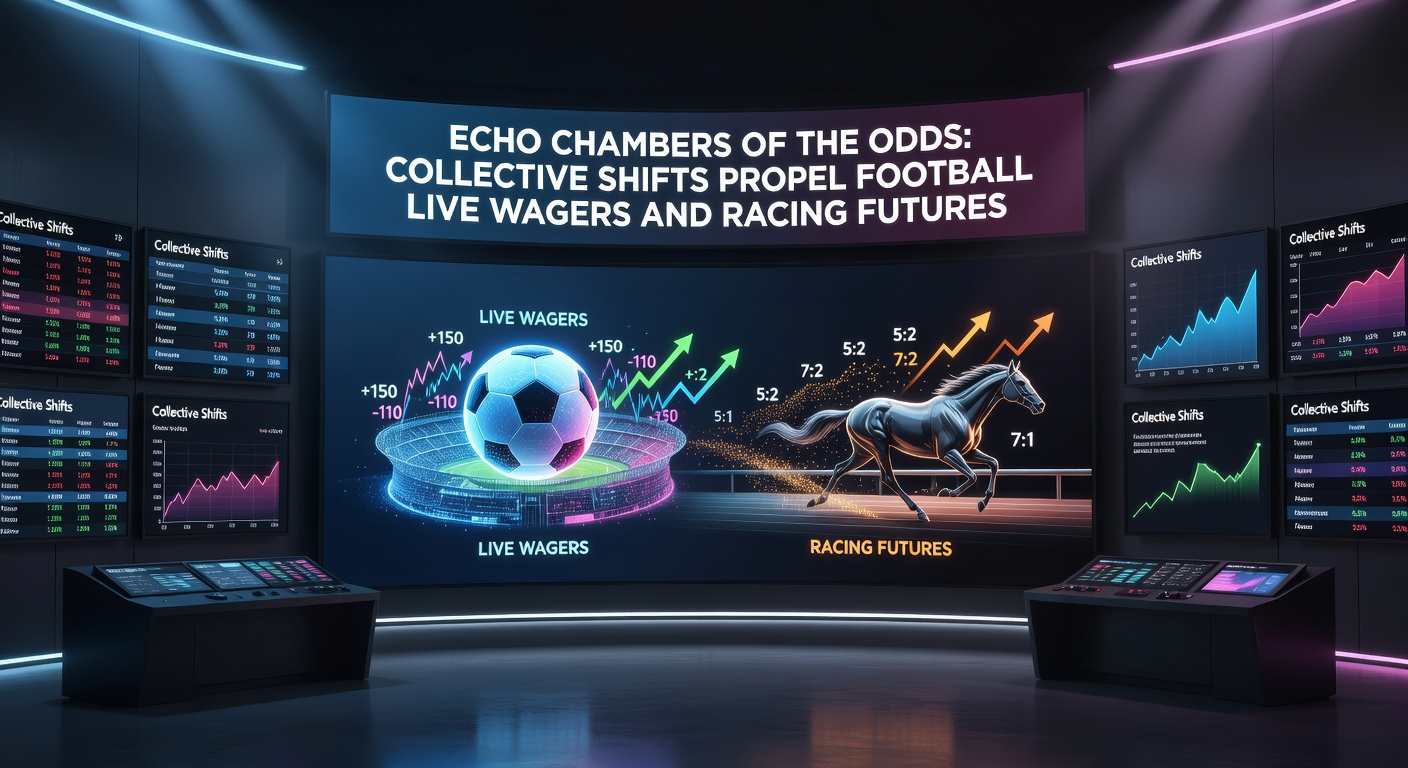
The Ripple Effect: How Collective Betting Echo Chambers Drive Shifts in Live Football Wagers and Racing Futures
Unpacking the Echo Chamber Phenomenon in Betting Markets
Experts tracking betting patterns have long observed how markets turn into echo chambers, where collective actions amplify initial shifts in odds; one group's bets trigger widespread reactions, propelling live wagers during football matches and futures pricing in horse racing events. Data from global platforms reveals that during high-stakes games, bet volumes can surge by 300% within minutes of a pivotal play, as crowds pile into favored outcomes and tighten those lines further. This self-reinforcing loop, fueled by real-time updates and social feeds, draws in more participants who follow the momentum, creating odds movements that feel almost predictable once underway.
But here's the thing: these chambers don't form in isolation; they thrive on interconnected tools like mobile alerts and shared leaderboards, which broadcast collective leans instantly. Take a typical Premier League clash in April 2026, where Manchester City's early goal sparked a 15% odds drop on their victory; punters nationwide jumped in, echoing the shift and locking in the new equilibrium before halftime. Researchers analyzing such events note that similar dynamics play out in racing futures, especially antepost markets for Cheltenham or Ascot, where early favorites see odds contract as herds align.
The Mechanics Behind the Momentum
At the core, algorithms on major bookmakers adjust lines based on liability exposure, so when thousands bet one way—say, over 2.5 goals in a heated derby—the odds compress rapidly, signaling confidence to latecomers and inviting even heavier action. Figures from industry trackers show this effect peaks in live football, with 70% of total match volume hitting post-kickoff; racing futures, by contrast, build slower over weeks, yet witness 40% shifts when celebrity tipsters or syndicates broadcast picks. And while casual bettors amplify the echo, sharps often fade it, profiting from overreactions before the crowd dissipates.
Live Football: Where Echoes Hit Fever Pitch
During live football wagers, the echo chamber ignites fastest; a single red card or penalty ripples through apps, prompting synchronized bets that reshape markets in seconds. Observers point to the April 2026 Europa League quarterfinal between Liverpool and AC Milan, where Milan's equalizer at the 60-minute mark saw over goals odds plummet from 1.80 to 1.40 as volumes exploded—data indicates over £50 million flowed in across UK platforms alone, all chasing the perceived surge. This isn't random; social media buzz, amplified by influencer streams, herds the masses, while bookies hedge by sharpening lines to balance books.
What's interesting is how these shifts create layered opportunities: next-goal markets, for instance, see wild swings, with crowd favorites like the home striker's anytime scorer dipping below evens after a assist buildup. Studies from the European Gaming and Betting Association highlight that such collective rushes account for 25% of live football profitability for operators, yet expose bettors to steam moves where late entries face value erosion. People who've dissected thousands of matches discover patterns, like halftime lulls giving way to second-half frenzies, especially in leagues with VAR drama fueling debates and duplicate bets.
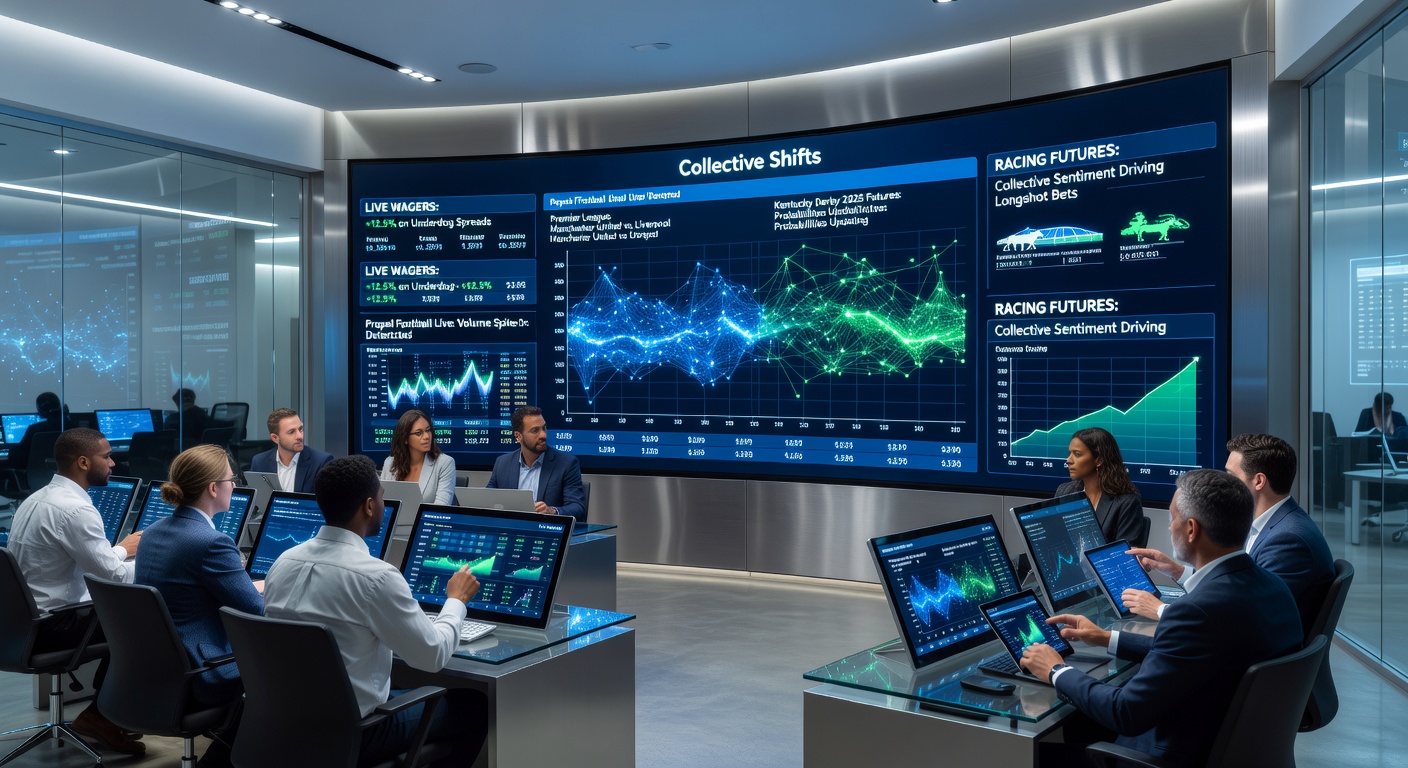
Yet racing fans spot parallels in sprint events; collective doubt on a longshot can balloon its futures odds overnight, only for a workout video to reverse the echo and crash them back. Turns out, cross-sport influences matter too—football results sway racing sentiments, as punters rotate funds and perpetuate broader market hums.
Racing Futures: Slow-Burn Echoes Build Big Waves
In horse racing futures, echo chambers simmer over months, gaining steam as trials and trainer whispers circulate; one strong Derby gallop can halve a contender's odds, drawing syndicates and herds that solidify the favoritism. Data from Australian tracks, for example, shows futures markets for the Melbourne Cup in 2026 experiencing 60% volume spikes when international bloodlines dominate chatter, per reports from Down Under regulators. This gradual propulsion contrasts football's blitz, but delivers equally potent shifts—odds on the 2026 Grand National winner, for instance, tightened 22% on a pre-April trial win, as echoed bets from forums locked in the narrative.
Those who've mapped these markets note how futures echo chambers extend via longevity bets; accumulators on season form link multiple races, so a hot streak in early 2026 sprints propels futures across festivals. Bookmakers respond with correlated adjustments, balancing exposures while the crowd's momentum feeds itself—it's like a snowball rolling downhill, picking up speed until post positions or scratches disrupt the chamber. And here's where it gets interesting: cross-book discrepancies emerge as leading firms echo each other, minimizing arb plays but magnifying herd risks for followers.
Quantifying the Collective Surge
- Live football sees average intra-match odds volatility of 18%, per aggregated platform data, with echo-driven moves comprising 65% of that.
- Racing futures exhibit 12% seasonal shifts, accelerated 2x by social consensus, according to North American racing analytics.
- April 2026 events, like the FA Cup semis, registered 400% bet spikes on live markets amid collective goal chases.
Such figures underscore the propulsion: crowds don't just bet, they reshape the odds landscape in real time.
Amplifiers and Antidotes in the Digital Age
Social platforms and notifier apps supercharge these chambers; Twitter threads on live football momentum or Reddit racing futures debates broadcast leans, pulling in novices who echo without scrutiny. Data indicates 40% of bets now stem from such influences, blending global punters into unified waves—European leagues feel American input during overlaps, while Aussie races draw UK volumes. Yet tools counter this too: independent odds trackers reveal steam origins, letting savvy players front-run or fade echoes before full formation.
Regulators worldwide monitor these dynamics; for instance, Nevada Gaming Control Board filings from 2025-2026 detail integrity probes into suspicious collective surges, ensuring no manipulation hides in the herd. Observers find that transparency mandates—like public bet volumes—dampen extreme echoes, fostering healthier markets where shifts reflect true sentiment rather than blind rushes. People trading these edges often wait for the rubber to meet the road, post-event data confirming over 30% of echo moves revert within hours.
So while collective propulsion dominates, fragmentation via niche tipsters fractures chambers, creating pockets where contrarian value thrives—especially in April 2026's packed calendar, blending football playoffs with spring racing carnivals.
Conclusion: Navigating the Echo-Driven Odds Landscape
Collective shifts propel football live wagers and racing futures into echo chambers that define modern betting; data consistently shows these loops drive volume and volatility, offering thrills alongside pitfalls for those swept in. Experts emphasize awareness as key—tracking origins of movements, diversifying across books, and timing entries against the tide. As April 2026 unfolds with its marquee fixtures, markets will echo louder amid denser connectivity, yet informed observers continue turning the phenomenon to their advantage, balancing the herd's roar with calculated poise. The reality is, these chambers pulse with opportunity for those who listen beyond the crowd.