Real-Time Data Alignment Across Soccer Pitches, Racing Circuits, and Digital Table Interfaces
Sofia Becker · Aug 23, 2026
Real-Time Data Alignment Across Soccer Pitches, Racing Circuits, and Digital Table Interfaces
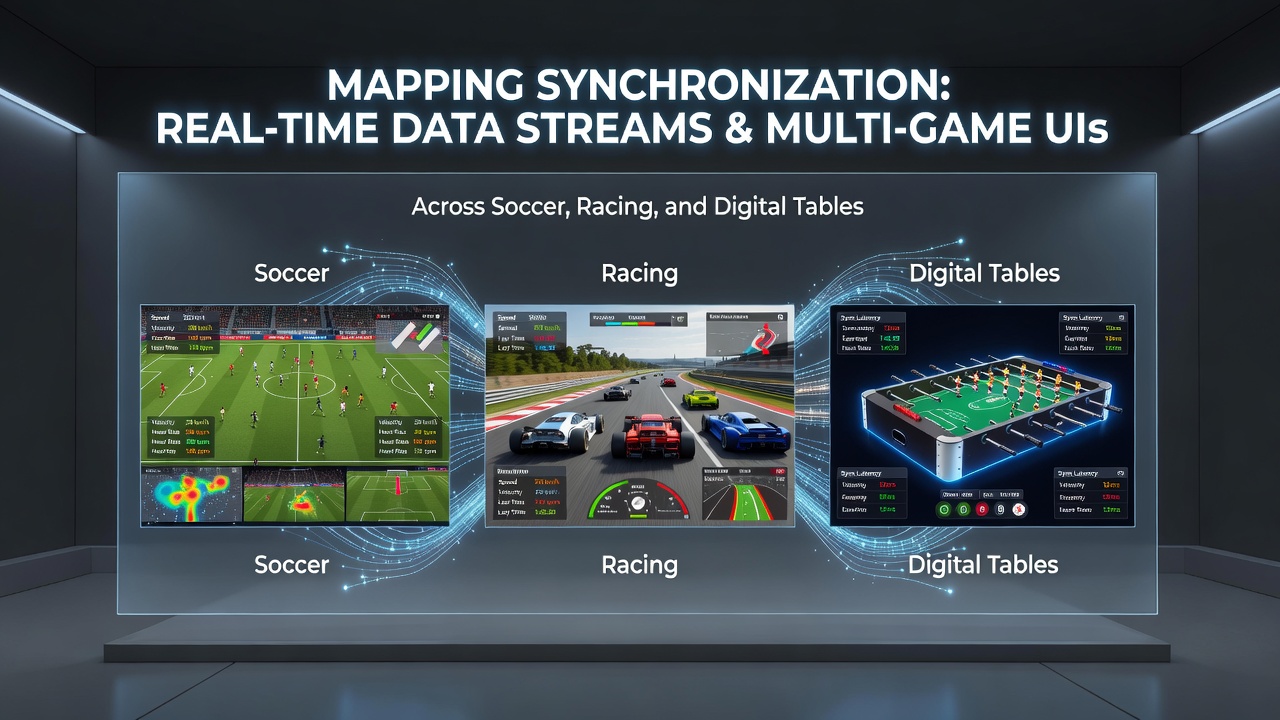
Modern platforms integrate live data feeds with responsive interfaces that cover soccer matches, racing events, and digital table environments through precise synchronization protocols. Systems rely on continuous data mapping that converts incoming streams into visual updates across multiple game types simultaneously. Engineers design these frameworks to handle variable latency while maintaining consistent performance whether users track player movements on a pitch, lap times on a track, or card distributions at virtual tables.
Core Mechanisms of Data Stream Mapping
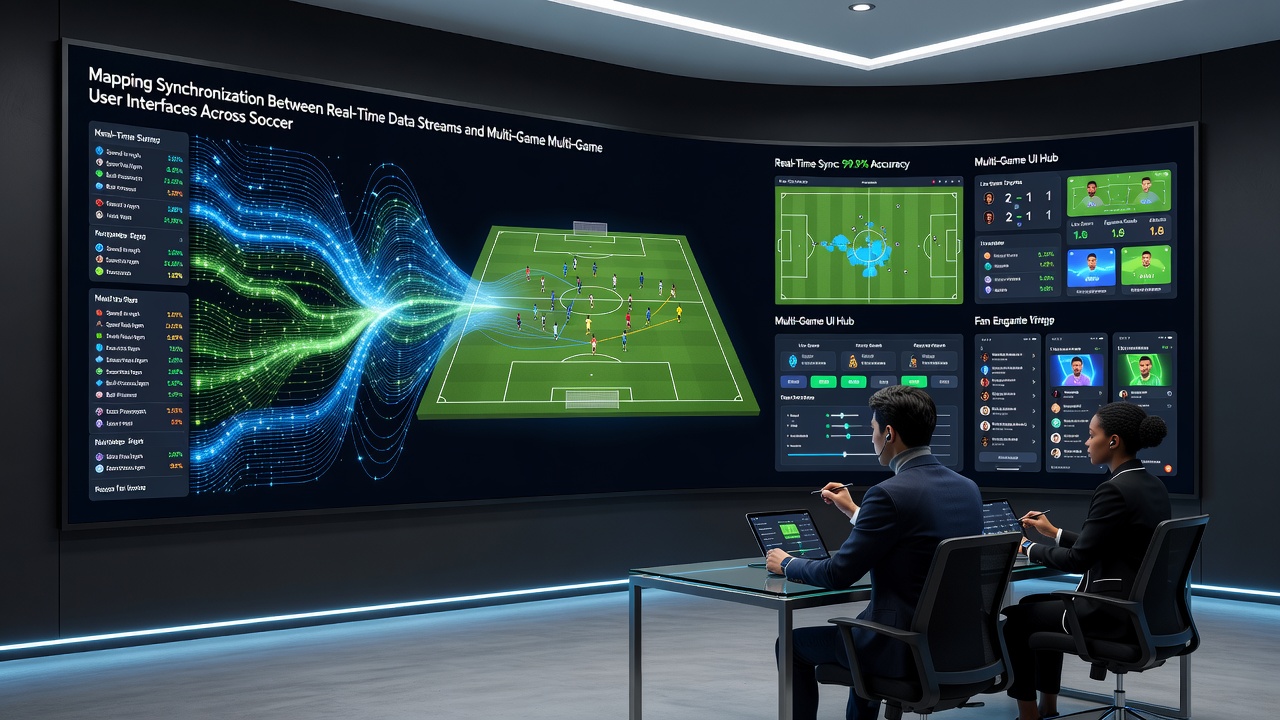
Real-time synchronization begins with ingestion layers that capture event data from sensors, timing systems, and broadcast sources then route it through middleware for processing. Protocols such as WebSockets and MQTT facilitate low-latency transmission while data transformation engines normalize formats from disparate origins into unified schemas compatible with soccer statistics, racing telemetry, and table game outcomes. Observers note that mapping algorithms assign unique identifiers to each data point allowing interfaces to render updates without conflicts across concurrent sessions.
Developers implement buffering strategies that accommodate network fluctuations yet preserve sequence integrity for time-sensitive elements like goal notifications or finish-line crossings. Studies from institutions including the Massachusetts Institute of Technology highlight how predictive caching anticipates user interactions and pre-loads relevant interface components. This approach reduces perceived delays during high-volume periods such as championship weekends or major racing festivals.
Interface Adaptations for Diverse Game Environments
Soccer interfaces display layered statistics that update with each pass, tackle, or substitution while racing dashboards emphasize positional tracking and split times through animated overlays. Digital table systems meanwhile synchronize card shuffles, bet placements, and result resolutions using similar data pipelines but tailored visual hierarchies. Researchers at the Technical University of Munich documented how modular UI components allow seamless switching between these modes without requiring separate applications.
Cross-game consistency emerges from shared rendering engines that interpret mapped data according to context-specific rules. One implementation uses event-driven architectures where soccer player heat maps, racing speed graphs, and table probability indicators all derive from the same underlying stream processor. August 2026 saw several platforms deploy enhanced edge computing nodes that further minimized synchronization gaps during international tournaments and seasonal racing schedules.
Challenges in Maintaining Cross-Platform Coherence
Scale presents ongoing hurdles as simultaneous matches, races, and table sessions generate massive concurrent data volumes. Systems counter this through distributed computing clusters that partition workloads while preserving global state awareness. Data from sources such as the FIFA Technical Report on Performance Analysis demonstrates the value of standardized event taxonomies that simplify mapping across different sports and gaming formats.
Security considerations require encryption at every transmission stage alongside access controls that verify user sessions before exposing personalized interface elements. Industry groups including the IEEE Standards Association have published guidelines addressing real-time data integrity in multi-user environments. These frameworks help prevent desynchronization events that could arise from partial data loss or timestamp mismatches.
Future Directions in Stream-to-Interface Integration
Emerging techniques incorporate machine learning models that refine mapping accuracy by learning patterns from historical event sequences across soccer, racing, and table domains. Adaptive interfaces adjust layout density based on detected user behavior while still respecting core data synchronization rules. Continued hardware improvements in mobile processors and network infrastructure support higher fidelity rendering without compromising the underlying real-time constraints.
Conclusion
Effective mapping between real-time data streams and multi-game interfaces demands coordinated engineering across ingestion, transformation, and presentation layers. Soccer, racing, and digital table applications benefit from shared architectures that accommodate distinct visual requirements while ensuring temporal accuracy. Ongoing refinements in protocols and computing resources continue to support reliable performance as usage expands across global platforms.