Profile Tweaks and Variance Scans Drive Rewards Across Soccer Markets, Racing Tracks, and Casino Tables
Avery Schröder · Jul 24, 2026
Profile Tweaks and Variance Scans Drive Rewards Across Soccer Markets, Racing Tracks, and Casino Tables
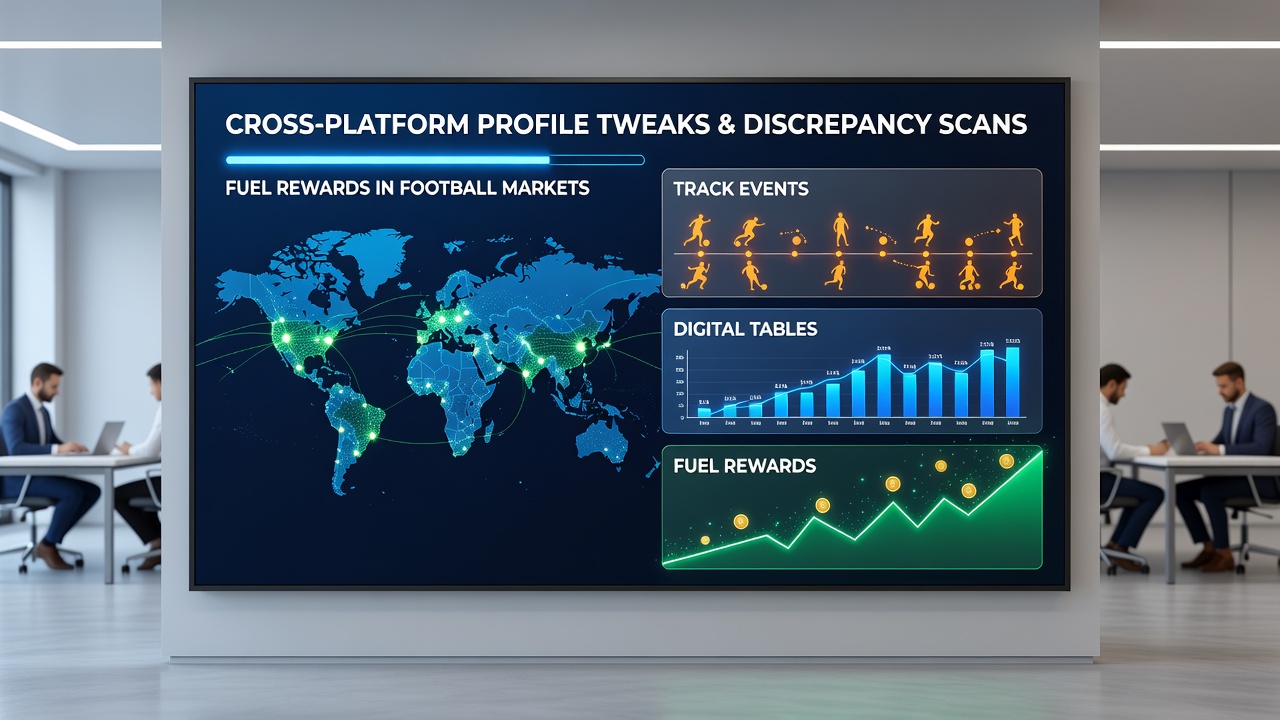
Operators and bettors alike adjust user profiles across multiple platforms while running automated scans for odds discrepancies, and these practices have expanded reward opportunities in soccer markets, track events, and digital tables throughout 2026. Data from the first half of the year shows increased activity in cross-device logins, with many systems recording profile updates that unlock tiered bonuses and loyalty multipliers.
Mechanics of Profile Adjustments
Users modify account settings such as notification preferences, payment methods, and game history visibility on one platform, and those changes often propagate to linked sites through shared authentication protocols. Research indicates that synchronized profiles allow access to segmented promotions that remain unavailable to single-site accounts. In July 2026 several major operators rolled out updates requiring multi-platform verification before releasing enhanced cashback offers on soccer accumulator bets and racing place markets.
Platform providers use these adjustments to segment user cohorts more precisely, which in turn affects how discrepancy detection tools prioritize certain events. Observers note that accounts showing consistent activity across desktop, mobile, and tablet interfaces receive priority routing for flash rewards tied to live soccer fixtures and evening race cards.
Discrepancy Scans and Market Opportunities
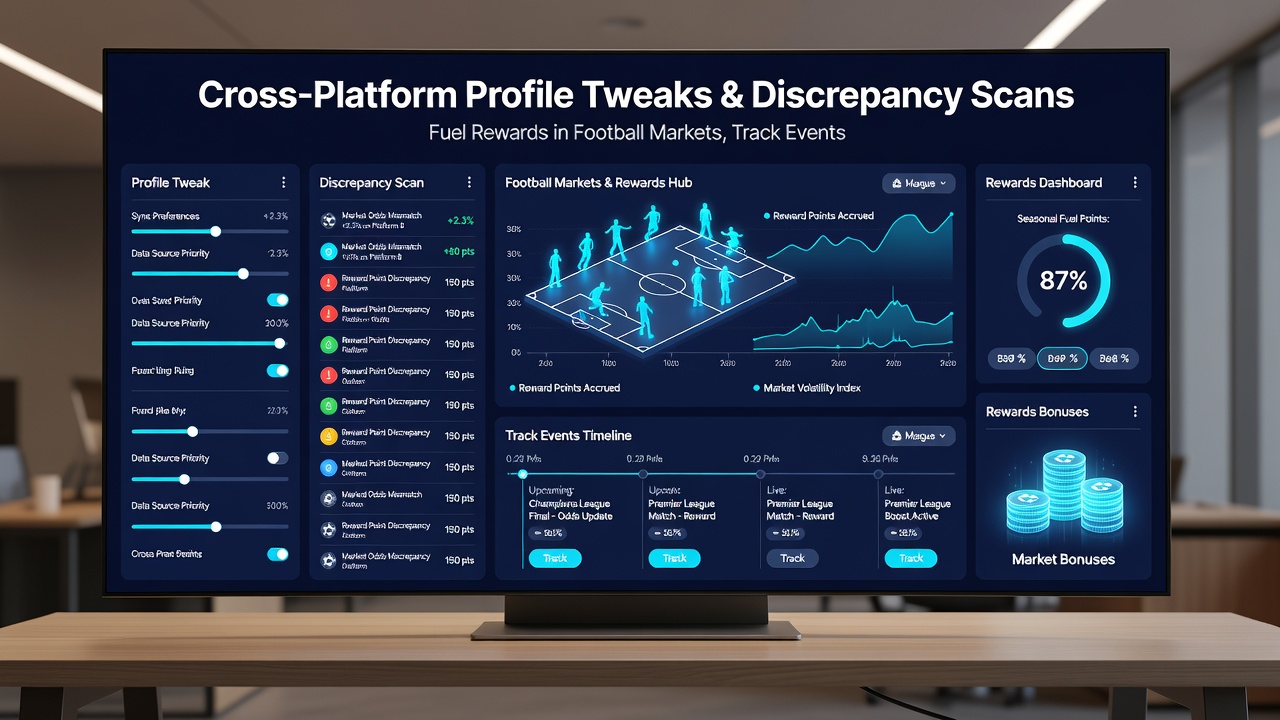
Automated tools compare odds and payout structures across books in real time, flagging instances where implied probabilities diverge by more than a set threshold. When scans detect favorable gaps in football markets or track events, the system triggers alerts that prompt profile-linked accounts to place coordinated wagers before lines realign. Figures from industry monitoring groups reveal that such scans processed over 4.2 million event comparisons daily during the 2025-26 season, with soccer and horse racing accounting for the largest share.
Integration with Digital Tables
Casino table offerings have incorporated similar scan routines that monitor live dealer games and RNG tables for bonus round discrepancies. When a profile tweak enables a new payment tier, the scan can surface table games offering elevated rakeback percentages that single-platform users miss. Data compiled by the European Gaming and Betting Association shows a 14 percent rise in cross-platform casino play during the spring months of 2026, coinciding with expanded discrepancy monitoring features.
Regulatory Context and Data Trends
Authorities in multiple jurisdictions have begun tracking how profile synchronization and scan activity influence responsible gambling metrics. The National Council on Problem Gambling published quarterly summaries noting that users engaging in multi-platform activity often set higher deposit limits yet also trigger more frequent self-exclusion checks. Meanwhile, reports from the Australian Communications and Media Authority highlight parallel growth in scan-driven wagering on racing events during the southern hemisphere winter season.
Academic studies from the University of Nevada, Reno examined transaction logs from 2025 and found that accounts utilizing discrepancy alerts completed an average of 2.8 additional bets per session compared with non-alert users, with the majority concentrated in soccer and table game categories. These patterns prompted several operators to introduce mandatory cooling-off prompts after repeated scan-triggered wagers.
Technical Implementation
Modern scanning engines rely on API connections that pull live odds feeds every few seconds while cross-referencing user profile flags stored in centralized databases. When a variance exceeds programmed thresholds, the engine pushes notifications through the adjusted profile channels, which may include email, push, or in-app messaging. Developers report that latency reductions achieved in early 2026 cut average alert delivery times from 1.4 seconds to under 400 milliseconds, allowing faster execution on time-sensitive racing and live soccer markets.
Security layers verify that profile changes originate from recognized devices before granting access to the scan results, reducing instances of unauthorized reward claims. Operators have documented fewer disputed payouts since implementing these layered checks during the summer of 2026.
Conclusion
Cross-platform profile adjustments combined with systematic discrepancy scans continue to shape reward distribution in soccer, track, and casino environments. Available data through July 2026 demonstrates measurable growth in both participation rates and operator implementation of these tools, while regulatory bodies monitor their effects on player behavior across regions. The interplay between technical synchronization and market variance detection remains a central feature of contemporary betting infrastructure.