Platform Bridges Linking Football Markets to Equine Events and Table Games via Unified Mobile Features and Real-Time Tools
Sofia Becker · May 22, 2026
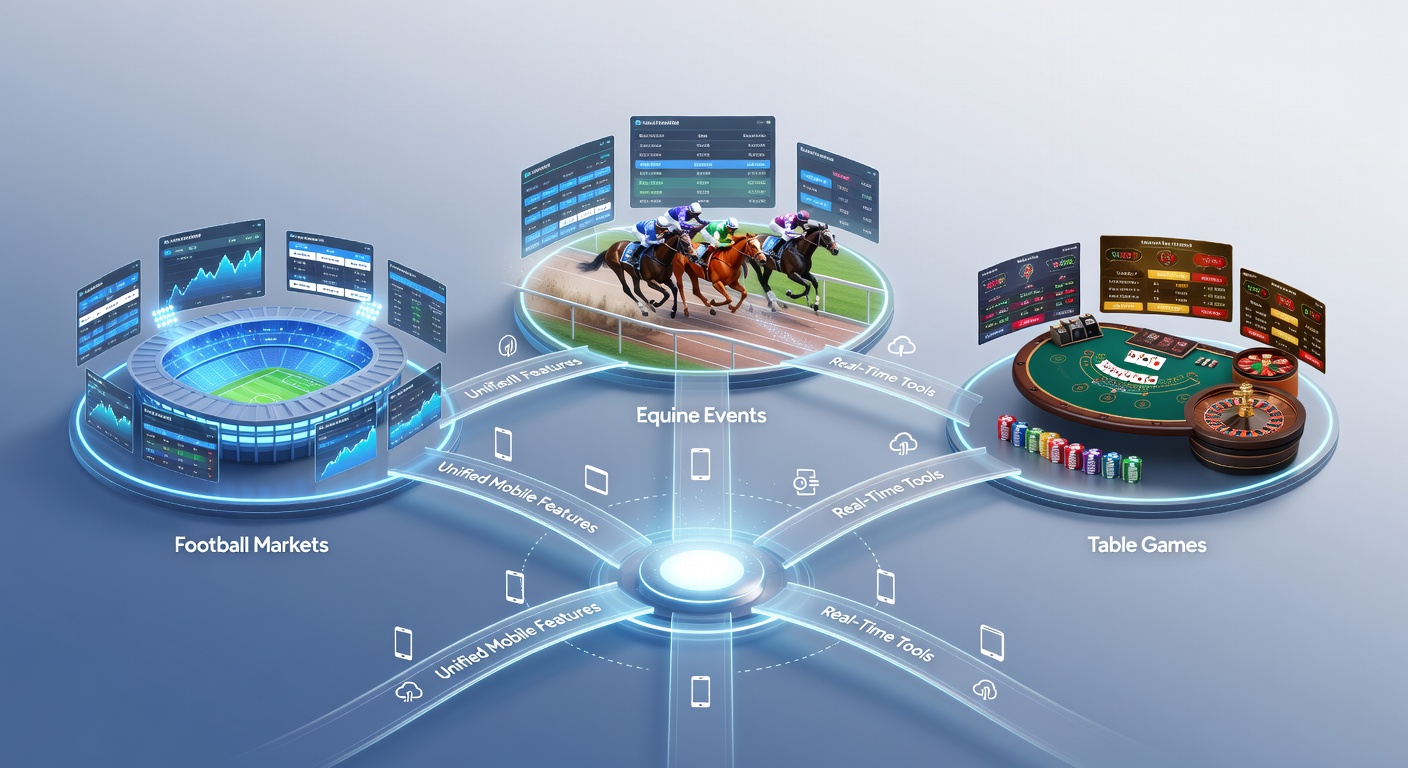
Unified Mobile Ecosystems Connecting Football Markets, Equine Competitions, and Casino Tables Through Shared Real-Time Capabilities
Operators have developed platforms that link football betting markets to equine events and table games within single mobile applications. These systems rely on shared account structures, synchronized data feeds, and instant processing engines that update odds across categories without requiring separate logins or fund transfers. According to industry reports from the European Gaming and Betting Association, such integrations have expanded since 2024 as providers seek to streamline user navigation between live soccer markets, thoroughbred races, and roulette or blackjack tables. Real-time tools form the core of these connections. They pull live statistics from football matches, track conditions at racecourses, and random number generator outputs from casino servers into one dashboard. Users switch between a Premier League goal market and a next-race exacta bet while maintaining the same balance and bonus eligibility. Data from the Nevada Gaming Control Board shows similar patterns in regulated markets where multi-category apps reduced session fragmentation by consolidating activity logs. Equine event sections within these platforms incorporate form guides, pace projections, and in-running updates that mirror the volatility seen in football in-play options. When a race starts, odds adjust continuously based on position changes, much like a corner or card market during a match. Observers note that this parity allows seamless movement between sports without losing context or momentum in betting decisions. Table game integration follows comparable patterns. Blackjack and poker variants appear alongside football accumulators or equine trifectas, with shared promotional layers that apply across verticals. One study released by the University of Nevada, Reno in early 2025 found that players using unified interfaces completed more cross-category wagers per session compared to those navigating standalone apps. The research attributed the difference to reduced friction in account navigation and quicker settlement times. Platform bridges also handle transaction flows uniformly. Deposits made during a football match remain available for an equine event minutes later or a table game spin without additional verification steps. Withdrawal requests process through the same queue regardless of origin market. These mechanics rely on backend ledgers that reconcile activity across categories in milliseconds, preventing balance discrepancies during rapid switches. In May 2026, several operators plan to introduce enhanced notification layers that flag simultaneous opportunities across football, racing, and casino tables. These alerts combine match events with race post times and table promotions into single messages, further tightening the connections between verticals. Industry tracking indicates such updates coincide with broader hardware improvements in mobile networks that support faster data exchange. Security protocols maintain consistency across the linked markets. Encryption standards and authentication tokens apply equally to soccer bets, horse wagers, and casino rounds, reducing the need for repeated identity checks. Regulatory frameworks in multiple jurisdictions require these safeguards, and compliance reports show lower incident rates when users stay within integrated environments rather than jumping between disconnected sites. Additional images illustrate these flows in practice. 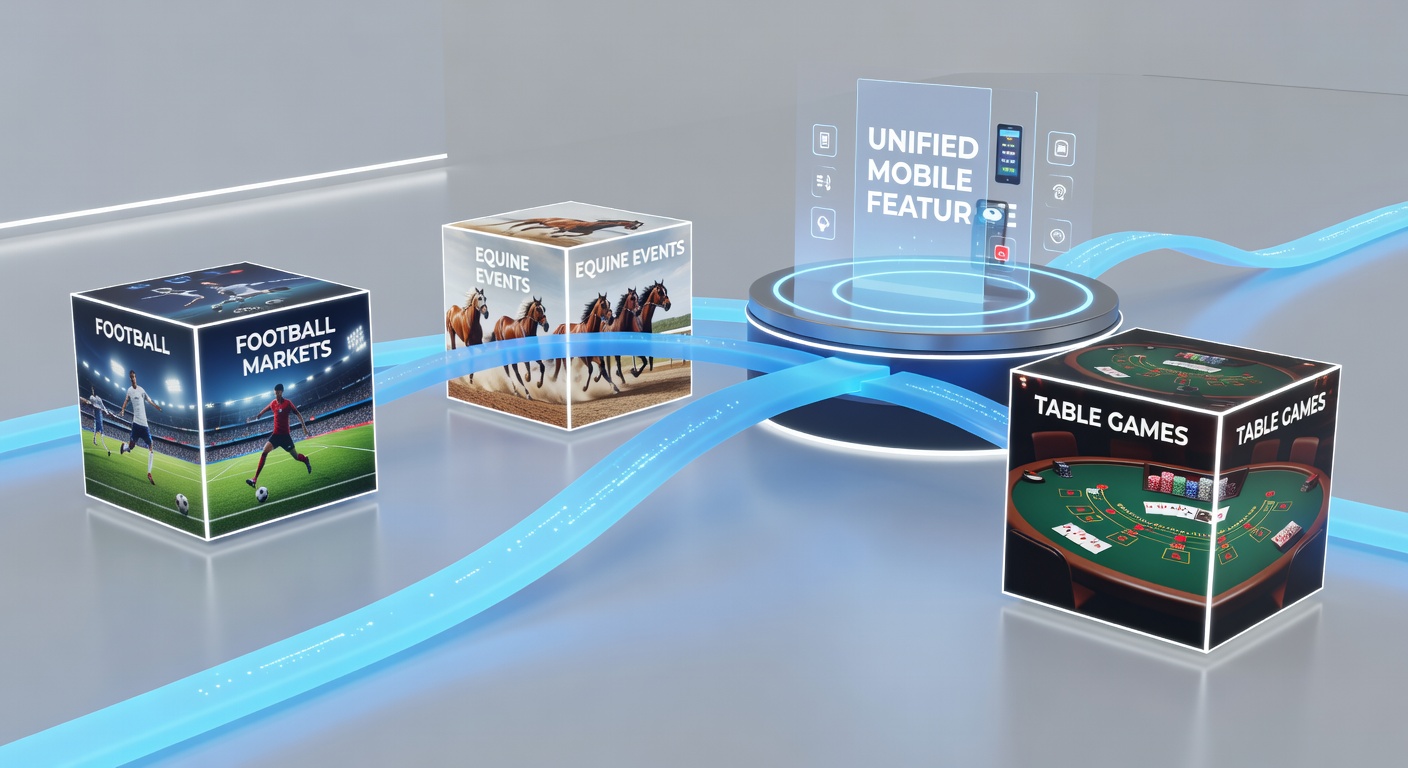 Developers continue refining the algorithms that balance odds across categories to reflect true probabilities without artificial alignment. When a football team concedes late, the shift in live odds can influence correlated equine or table outcomes if operators link them through promotional multipliers. Such correlations remain optional and user-controlled through preference settings. Support channels operate under the same unified structure. Queries about a disputed football goal, a photo-finish equine result, or a table game payout route through shared ticketing systems that reference activity across all markets. Response times average under two minutes during peak periods, according to aggregated operator data released in 2025. The overall architecture reduces the number of applications a user must maintain while preserving distinct rules for each market. Football markets retain their handicap and over-under structures, equine events keep their win-place-show formats, and table games follow standard house edges. The bridging occurs at the interface and transaction level rather than altering core game mathematics. Conclusion
These platform connections represent an operational shift toward consolidated mobile environments that treat football markets, equine events, and table games as interchangeable components within one system. Real-time processing, shared accounts, and synchronized alerts drive the functionality, with further refinements scheduled for rollout in May 2026. Data from regulatory bodies and academic sources continue to track usage patterns as these ecosystems mature.
Developers continue refining the algorithms that balance odds across categories to reflect true probabilities without artificial alignment. When a football team concedes late, the shift in live odds can influence correlated equine or table outcomes if operators link them through promotional multipliers. Such correlations remain optional and user-controlled through preference settings. Support channels operate under the same unified structure. Queries about a disputed football goal, a photo-finish equine result, or a table game payout route through shared ticketing systems that reference activity across all markets. Response times average under two minutes during peak periods, according to aggregated operator data released in 2025. The overall architecture reduces the number of applications a user must maintain while preserving distinct rules for each market. Football markets retain their handicap and over-under structures, equine events keep their win-place-show formats, and table games follow standard house edges. The bridging occurs at the interface and transaction level rather than altering core game mathematics. Conclusion
These platform connections represent an operational shift toward consolidated mobile environments that treat football markets, equine events, and table games as interchangeable components within one system. Real-time processing, shared accounts, and synchronized alerts drive the functionality, with further refinements scheduled for rollout in May 2026. Data from regulatory bodies and academic sources continue to track usage patterns as these ecosystems mature.
Operators have developed platforms that link football betting markets to equine events and table games within single mobile applications. These systems rely on shared account structures, synchronized data feeds, and instant processing engines that update odds across categories without requiring separate logins or fund transfers. According to industry reports from the European Gaming and Betting Association, such integrations have expanded since 2024 as providers seek to streamline user navigation between live soccer markets, thoroughbred races, and roulette or blackjack tables. Real-time tools form the core of these connections. They pull live statistics from football matches, track conditions at racecourses, and random number generator outputs from casino servers into one dashboard. Users switch between a Premier League goal market and a next-race exacta bet while maintaining the same balance and bonus eligibility. Data from the Nevada Gaming Control Board shows similar patterns in regulated markets where multi-category apps reduced session fragmentation by consolidating activity logs. Equine event sections within these platforms incorporate form guides, pace projections, and in-running updates that mirror the volatility seen in football in-play options. When a race starts, odds adjust continuously based on position changes, much like a corner or card market during a match. Observers note that this parity allows seamless movement between sports without losing context or momentum in betting decisions. Table game integration follows comparable patterns. Blackjack and poker variants appear alongside football accumulators or equine trifectas, with shared promotional layers that apply across verticals. One study released by the University of Nevada, Reno in early 2025 found that players using unified interfaces completed more cross-category wagers per session compared to those navigating standalone apps. The research attributed the difference to reduced friction in account navigation and quicker settlement times. Platform bridges also handle transaction flows uniformly. Deposits made during a football match remain available for an equine event minutes later or a table game spin without additional verification steps. Withdrawal requests process through the same queue regardless of origin market. These mechanics rely on backend ledgers that reconcile activity across categories in milliseconds, preventing balance discrepancies during rapid switches. In May 2026, several operators plan to introduce enhanced notification layers that flag simultaneous opportunities across football, racing, and casino tables. These alerts combine match events with race post times and table promotions into single messages, further tightening the connections between verticals. Industry tracking indicates such updates coincide with broader hardware improvements in mobile networks that support faster data exchange. Security protocols maintain consistency across the linked markets. Encryption standards and authentication tokens apply equally to soccer bets, horse wagers, and casino rounds, reducing the need for repeated identity checks. Regulatory frameworks in multiple jurisdictions require these safeguards, and compliance reports show lower incident rates when users stay within integrated environments rather than jumping between disconnected sites. Additional images illustrate these flows in practice.
Developers continue refining the algorithms that balance odds across categories to reflect true probabilities without artificial alignment. When a football team concedes late, the shift in live odds can influence correlated equine or table outcomes if operators link them through promotional multipliers. Such correlations remain optional and user-controlled through preference settings. Support channels operate under the same unified structure. Queries about a disputed football goal, a photo-finish equine result, or a table game payout route through shared ticketing systems that reference activity across all markets. Response times average under two minutes during peak periods, according to aggregated operator data released in 2025. The overall architecture reduces the number of applications a user must maintain while preserving distinct rules for each market. Football markets retain their handicap and over-under structures, equine events keep their win-place-show formats, and table games follow standard house edges. The bridging occurs at the interface and transaction level rather than altering core game mathematics. Conclusion
These platform connections represent an operational shift toward consolidated mobile environments that treat football markets, equine events, and table games as interchangeable components within one system. Real-time processing, shared accounts, and synchronized alerts drive the functionality, with further refinements scheduled for rollout in May 2026. Data from regulatory bodies and academic sources continue to track usage patterns as these ecosystems mature.