Payment Technologies Expanding Live Market Access in Mobile Football and Racing
Dana Vogel · May 24, 2026
Payment Technologies Expanding Live Market Access in Mobile Football and Racing
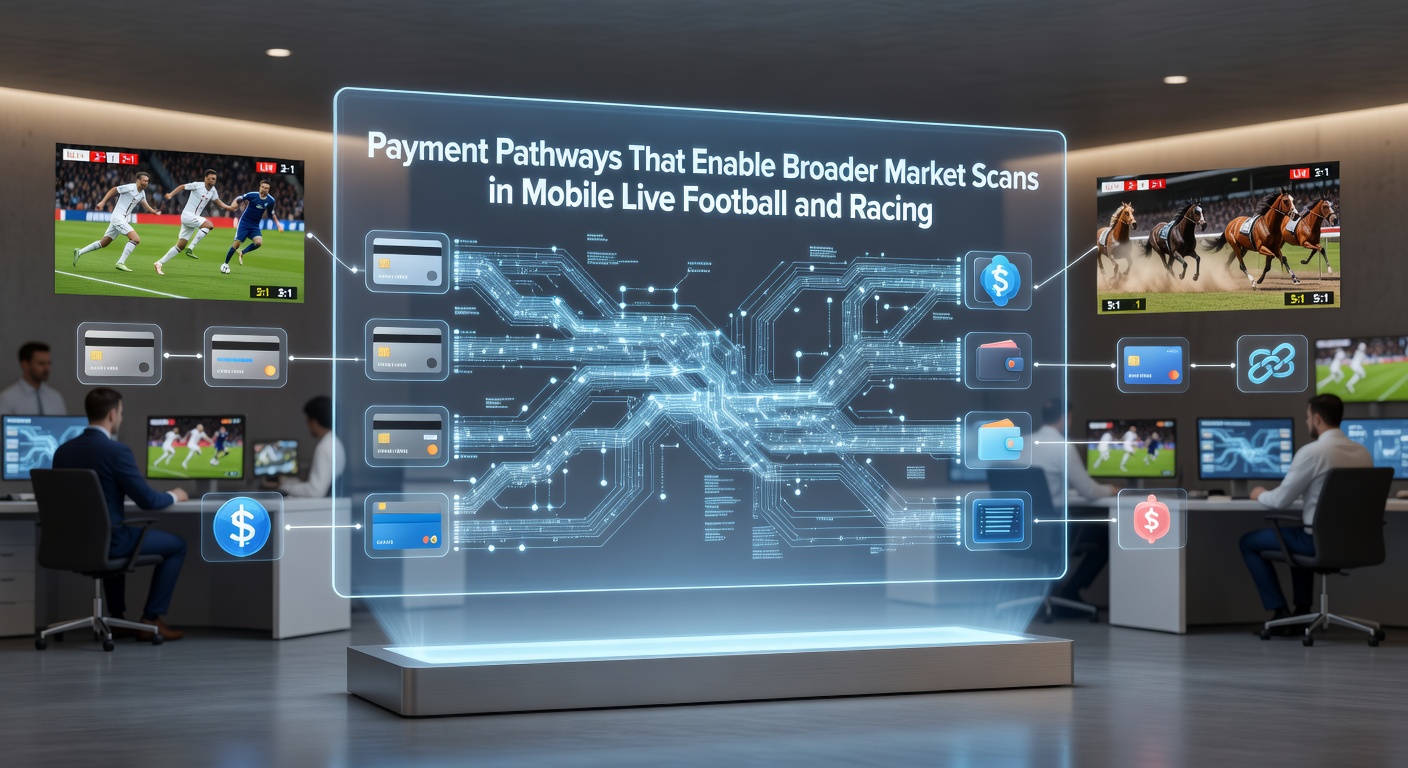
Payment pathways in mobile applications have developed into efficient systems that support rapid funding for users scanning live markets in football and racing; these pathways integrate instant bank transfers, digital wallets, and card processing to reduce delays between deposit and wager placement. Observers note that such integrations allow bettors to move across multiple in-play options on soccer matches and track events without waiting for transaction confirmations, which expands the number of markets they can evaluate during a single session. Data from industry reports indicate that processing times under ten seconds have become standard in many platforms, enabling broader scans that include player props, corner timings, and race segment outcomes.
Core Mechanisms Behind Instant Funding
Modern payment rails connect directly to banking networks through APIs that verify funds and authorize transfers in real time, while digital wallet providers maintain pre-loaded balances that convert to betting credits with a single confirmation step. Researchers at academic institutions have documented how these connections eliminate the multi-minute holds common in older card systems, and they highlight case studies where users completed deposits during live football halves or mid-race intervals. The result is a workflow where account balances update immediately, giving bettors the ability to compare odds across dozens of sub-markets before prices shift.
Security layers such as tokenization and biometric authentication accompany these rails, ensuring each transaction meets regulatory standards without adding friction. Figures from the New Zealand Department of Internal Affairs reveal steady growth in mobile transaction volumes for sports and racing products, with average session lengths increasing as funding speeds improve. Those who track adoption patterns observe that platforms offering multiple rails simultaneously see higher engagement rates because users select the method that matches their existing accounts.
Application to Live Football Markets
Football live betting involves continuous updates to match statistics, and payment pathways allow users to fund accounts between events such as goal scorers, card timings, and set-piece outcomes. When a deposit processes in seconds, bettors can scan additional markets like over-under corners or player assists that emerge only after the initial kickoff. Studies from the University of Nevada, Las Vegas Center for Gaming Research show that platforms with seamless payments record elevated activity in these granular options during peak European league windows.
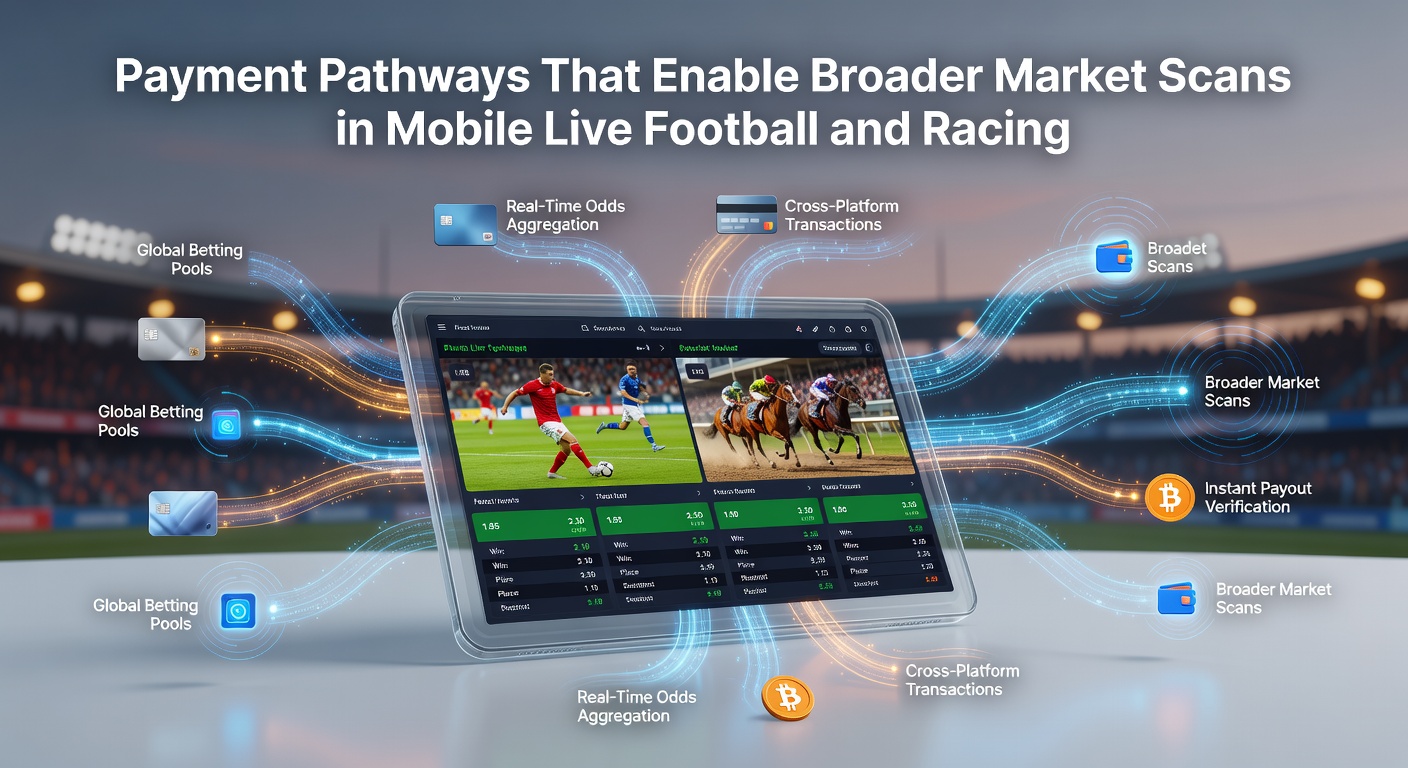
One documented pattern involves users starting with a primary match market, then adding parallel wagers on simultaneous fixtures once their balance refreshes quickly. This scanning breadth increases because the payment layer removes the previous barrier of waiting for external processors. Observers note that football apps now surface dozens of micro-markets per match, and the speed of funding determines how many receive attention before the next play alters odds.
Extension to Racing and Track Events
Racing applications benefit similarly when payment pathways support instant top-ups during races that feature multiple runners and changing conditions. Bettors can evaluate place markets, quinella combinations, and distance-specific outcomes across several meetings once funds appear immediately. Reports indicate that Australian racing platforms, in particular, have adopted these rails to accommodate users monitoring parallel events at different tracks, where timing windows last only minutes.
The closure of two hundred William Hill shops beginning in May 2026 has accelerated shifts toward mobile channels, and payment systems now handle the resulting volume increase without bottlenecks. Those monitoring the transition note that former retail customers rely on the same instant rails to maintain access to live racing markets they previously engaged with in person. This continuity supports broader scans because users no longer face delays when moving from one race to another across different venues.
Regulatory and Infrastructure Context
Regional regulators outside the UK have issued guidelines on transaction speed and transparency, with bodies such as the Nevada Gaming Control Board requiring clear disclosure of processing times. Industry associations track how these standards influence platform design, and data shows that compliant pathways correlate with higher user retention across live products. The infrastructure behind these systems continues to evolve through partnerships between payment processors and betting operators, focusing on reducing latency while maintaining audit trails.
Conclusion
Payment pathways that prioritize speed and reliability have become foundational to mobile live betting on football and racing, allowing users to scan wider ranges of markets during active events. Continued infrastructure improvements and regulatory alignment suggest these capabilities will expand further as more participants transition to digital platforms.