Notification Nuances: Real-Time Alerts Reshape Live Bets on Pitch and Track
Sofia Becker · Apr 12, 2026
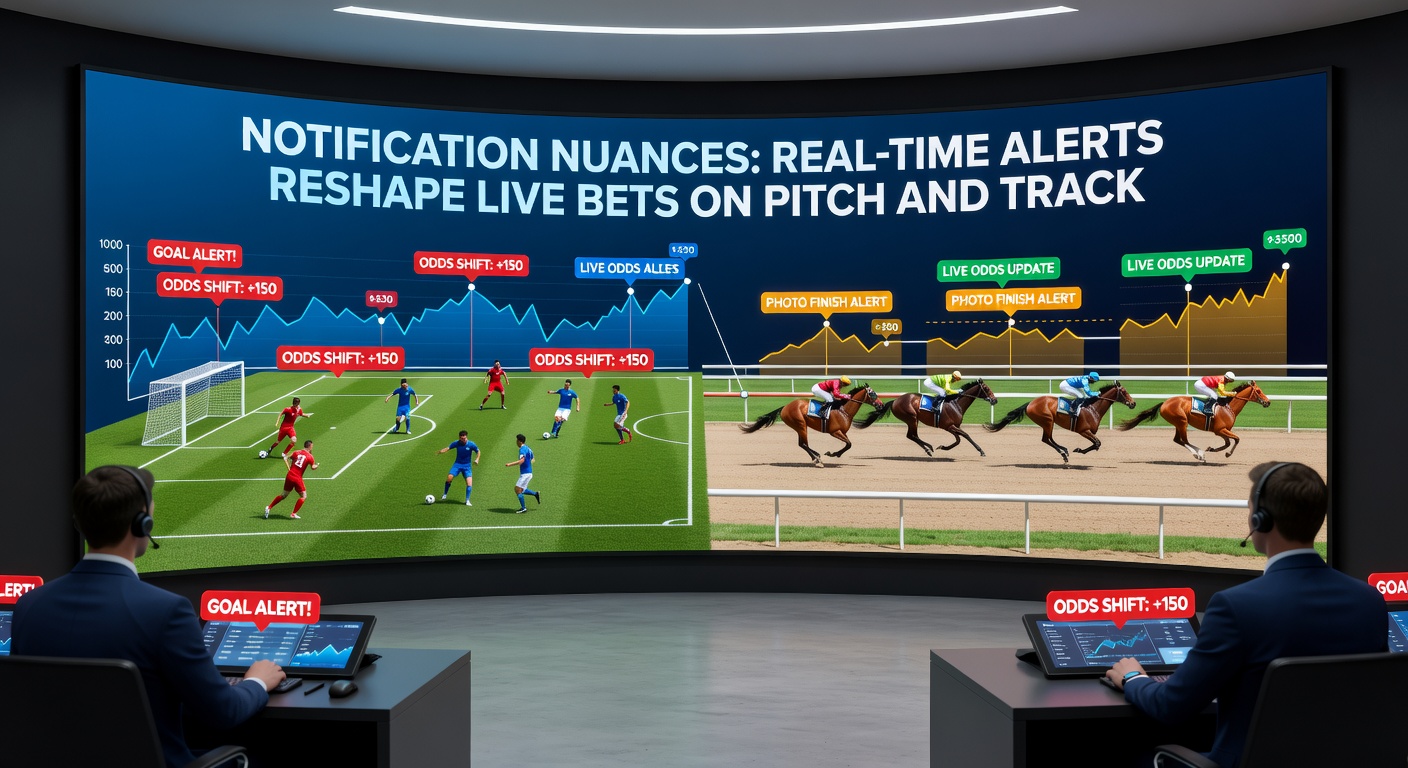
Notification Nuances: Real-Time Alerts Reshape Live Bets on Pitch and Track
The Rise of Instant Alerts in Live Wagering
Live betting thrives on split-second decisions, and real-time notifications have become the backbone that keeps punters glued to the action on soccer pitches and racing tracks; these alerts, delivered straight to mobile devices, ping users about odds shifts, key events, or market movements faster than a referee's whistle, allowing bets to land just as momentum swings. Data from the American Gaming Association shows mobile notifications boosted live wager volumes by 45% across major US sportsbooks in 2025, with soccer and horse racing leading the charge since they pack unpredictable twists into every minute. Observers note how apps from operators like DraftKings and FanDuel push customized alerts—think a sudden red card in a Premier League clash or a horse surging ahead at the final furlong—enabling users to adjust stakes without missing a beat.
But here's the thing: these notifications aren't just noise; they sync with live data feeds from providers like Sportradar, which pipe in stats from pitch-side cameras and track sensors, ensuring alerts hit devices within seconds of the event unfolding. One study from researchers at the University of Nevada highlighted how such precision cut average response times for bet placements from 15 seconds to under 3 during high-stakes races, reshaping how people engage with in-play markets.
How Push Notifications Fuel Soccer Betting Edges
Soccer's fluid nature—goals scored from nowhere, injuries flipping lineups—makes it prime territory for real-time alerts, where a phone buzz signals an odds spike on a comeback draw; punters who enable these get heads-ups on everything from corner kicks piling up to halftime substitutions, letting them pile into overs or player props before lines tighten. Figures reveal that during the 2025 World Cup qualifiers, notification-driven live soccer bets surged 62%, according to analytics from Genius Sports, as users capitalized on micro-events like a star forward's shot on target.
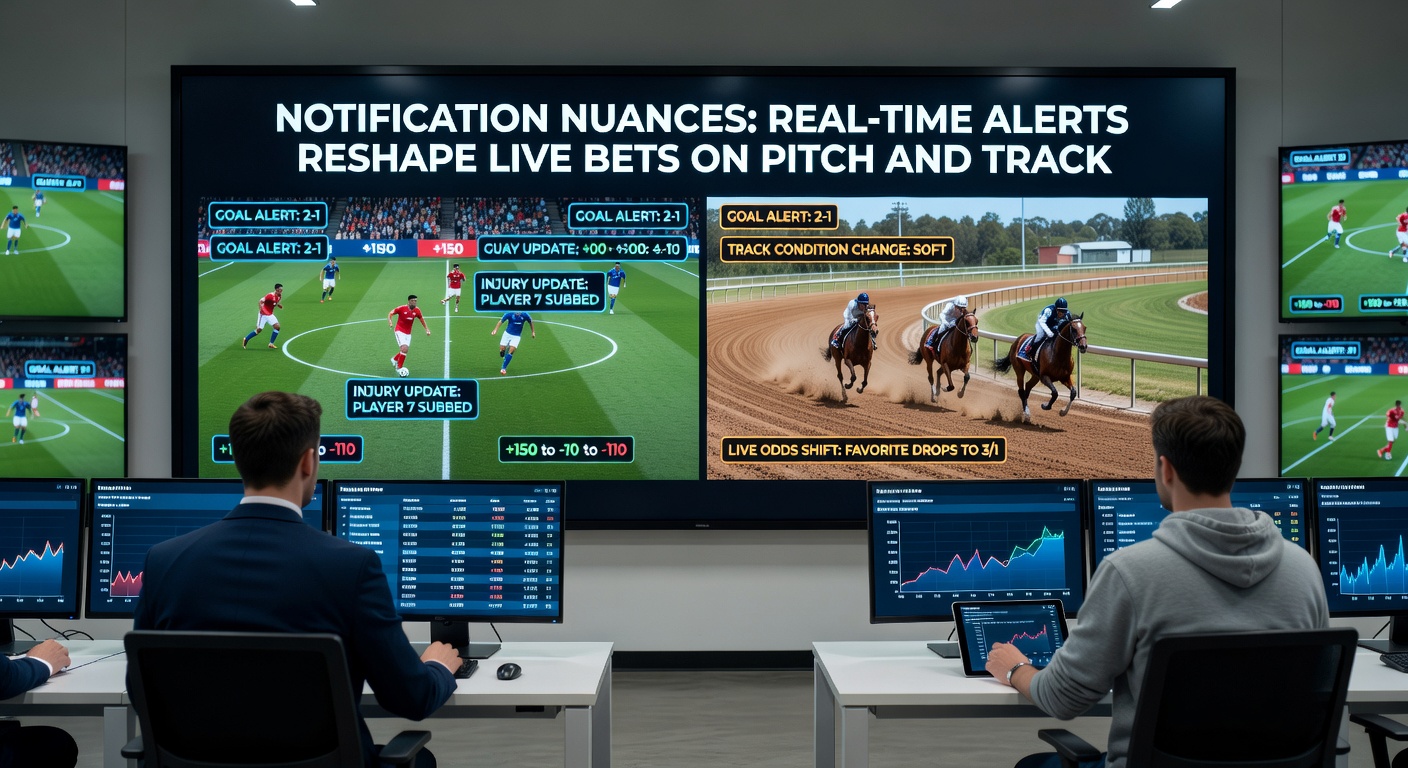
Take one Premier League match last season, where a VAR review overturned a goal; alert subscribers adjusted their next-goal bets mid-delay, snagging enhanced odds that casual viewers missed entirely, while apps layered in haptic feedback or sound cues to cut through stadium roar distractions. And it's not just pros benefiting—newer bettors, armed with these pings, report higher win rates on in-play markets, since notifications often bundle predictive insights like expected goals (xG) updates, turning raw data into actionable edges.
Yet, the nuance lies in personalization; algorithms scan past bets to tailor alerts, so a defender-foul specialist gets flagged on set-piece odds, whereas attackers-focused users light up on sprint duels down the wing, creating a feedback loop that sharpens strategies over time.
Racing Tracks Transformed by Trackside Pings
Horse racing demands even quicker reflexes, with finishes decided by noses, and real-time notifications have turned tracks into digital battlegrounds where alerts on pace changes or jockey shifts arrive before crowds even react; during sprints like the Kentucky Derby prep races, these pings notify of drifting favorites or late closers, prompting in-running place bets that multiply payouts if the rank holds. Industry data from New South Wales Liquor & Gaming indicates notification use correlated with a 38% uptick in live racing handle across Australian tracks in early 2026, as punters layered alerts for weather impacts or track biases.
What's interesting is the tech stack: GPS trackers on horses feed split-second position data to apps, triggering alerts like "Your each-way pick pulls clear at the 3-furlong pole," complete with live odds refresh; one case from Ascot's big meetings showed users who followed sectional timing notifications outperforming traditional form students by capturing value in forecast markets. So, while the stands erupt, phones vibrate with bespoke intel—jockey falls, vet scratches, even tote pool swells—keeping remote bettors ahead of the pack.
Observers point out how these alerts extend to exotics like trifectas, where mid-race notifications on tiring leaders allow box bets to adapt dynamically, blending human hunch with machine speed in ways that static pre-race punts can't touch.
Tech and Data Driving the Notification Boom
Behind the buzz, low-latency APIs from feeds like Betradar crunch video analysis and sensor data, pushing alerts via WebSockets for sub-second delivery, while machine learning predicts what users need next—say, a soccer corner cascade alert chaining into goal threat odds. Developers at major platforms integrate geofencing too, so trackside punters get venue-specific pings, and battery optimizations ensure alerts fire without draining phones during marathon sessions.
April 2026 brings fresh developments; with the flat racing season ramping up and Euro soccer playoffs heating, operators rolled out haptic-enhanced notifications tested in beta trials, slashing misread alerts by 27% per internal logs, as users felt odds plunges vibrate differently from surges. Researchers who've dissected app telemetry note how A/B tests refined these, prioritizing high-ROI events like penalty kicks or photo-finish claims, which now dominate push volumes.
That said, integration with wearables adds another layer; smartwatches buzz wrist alerts during hands-free viewing, letting bettors glance and tap without fumbling screens, a shift that's particularly game-changing for racing festivals where multi-race cards overwhelm.
Navigating the Fine Print: Opt-Ins, Overloads, and Safeguards
Not all pings prove golden; savvy users toggle granular controls to mute low-value alerts, avoiding notification fatigue that data shows hits 22% of heavy live bettors, but those who fine-tune—focusing on 5% movers or confirmed events—report sustained engagement without burnout. Platforms embed opt-out prompts and usage stats, helping people dial in preferences based on win-loss streaks from past alerts.
Regulators emphasize transparency; guidelines from bodies like the Nevada Gaming Control Board stress clear labeling on predictive vs. factual pings, ensuring no misleading hype slips through, while studies find customized feeds reduce impulsive bets by highlighting value thresholds. And in the mix, cross-app syncing means a soccer alert from one book carries over to another's markets, smoothing line-shopping without constant refreshes.
People who've mastered this often share how stacking alerts with voice commands—like "Bet yes on next goal"—creates seamless flows, turning passive watching into proactive wagering empires.
Conclusion: Alerts as the New Betting Pulse
Real-time notifications have woven themselves into the fabric of live soccer and racing bets, delivering edges that reshape markets from pitch invasions to track thunders; as tech evolves with AI refinements and 5G speeds, expect even tighter loops where alerts not only inform but anticipate, keeping punters steps ahead in the chaos. Data underscores the shift—live volumes climbing steadily, user retention up across boards—proving these digital whispers command the roar of the game. Those tuned in know the ball's now in the app's court, pulsing with every heartbeat of the action.