Integrated Verification Threads and Their Role in Synchronizing Payments with Shifting Odds in Football, Racing, and Casino Sectors
Henrik Braun · May 29, 2026
Integrated Verification Threads and Their Role in Synchronizing Payments with Shifting Odds in Football, Racing, and Casino Sectors
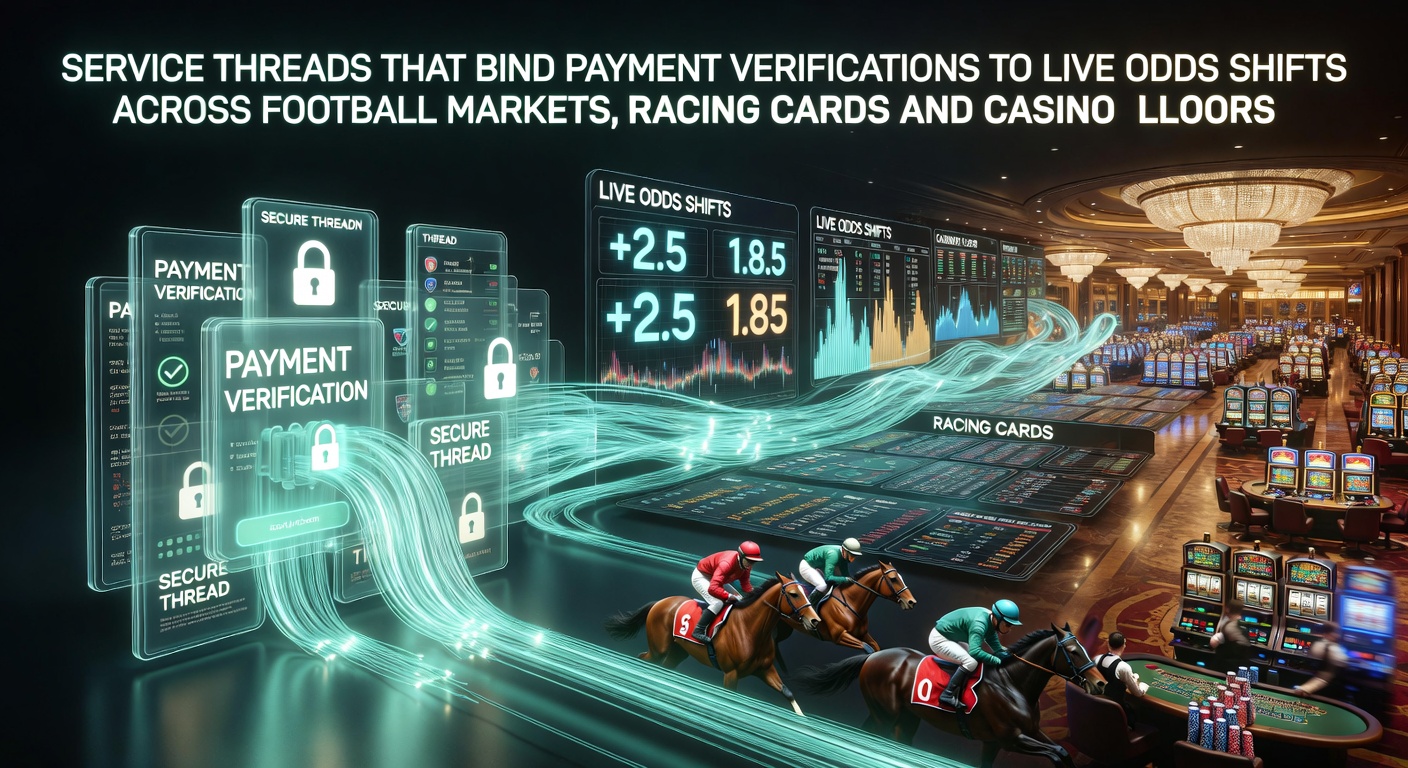
Service threads form the backbone of modern betting platforms where payment verification processes connect directly to live odds engines, creating seamless updates across football markets, racing cards, and casino floors. These connections rely on real-time data exchanges that allow odds to adjust the moment transaction approvals complete, maintaining consistency between financial clearances and market fluctuations.
Core Mechanisms Behind Payment and Odds Integration
Payment verification services operate through layered protocols that authenticate deposits and withdrawals before feeding confirmation signals into odds management systems. In football markets, for instance, a verified stake triggers immediate recalculations on in-play lines such as goal margins or player props, while racing cards see similar threads update tote pools and fixed-odds positions as soon as funds clear. Casino floors follow parallel pathways where table game limits shift based on account status checks completed in milliseconds.
Data indicates these integrations use API gateways that handle thousands of concurrent requests, according to reports from the Nevada Gaming Control Board. The architecture employs event-driven programming so that a successful payment authorization event publishes directly to subscribed odds modules, eliminating manual interventions that once delayed adjustments during peak activity periods.
Application Across Football Markets
Football betting platforms demonstrate tight coupling between verification threads and live odds when match events occur alongside transaction flows. A deposit processed through these services can instantly influence available liquidity on Asian handicap lines or over-under totals, because the system cross-references cleared funds against risk exposure models. Observers note that such synchronization prevents discrepancies where unverified wagers might otherwise distort market pricing during high-volume windows like halftime periods.
Studies from the University of Nevada, Reno highlight how these threads reduce latency to under two seconds in many deployments, allowing operators to respond to both on-field developments and account movements simultaneously. This matters particularly when multiple football leagues run concurrently, as the verification layer prioritizes threads based on market volatility scores.
Extensions to Racing Cards and Casino Floors
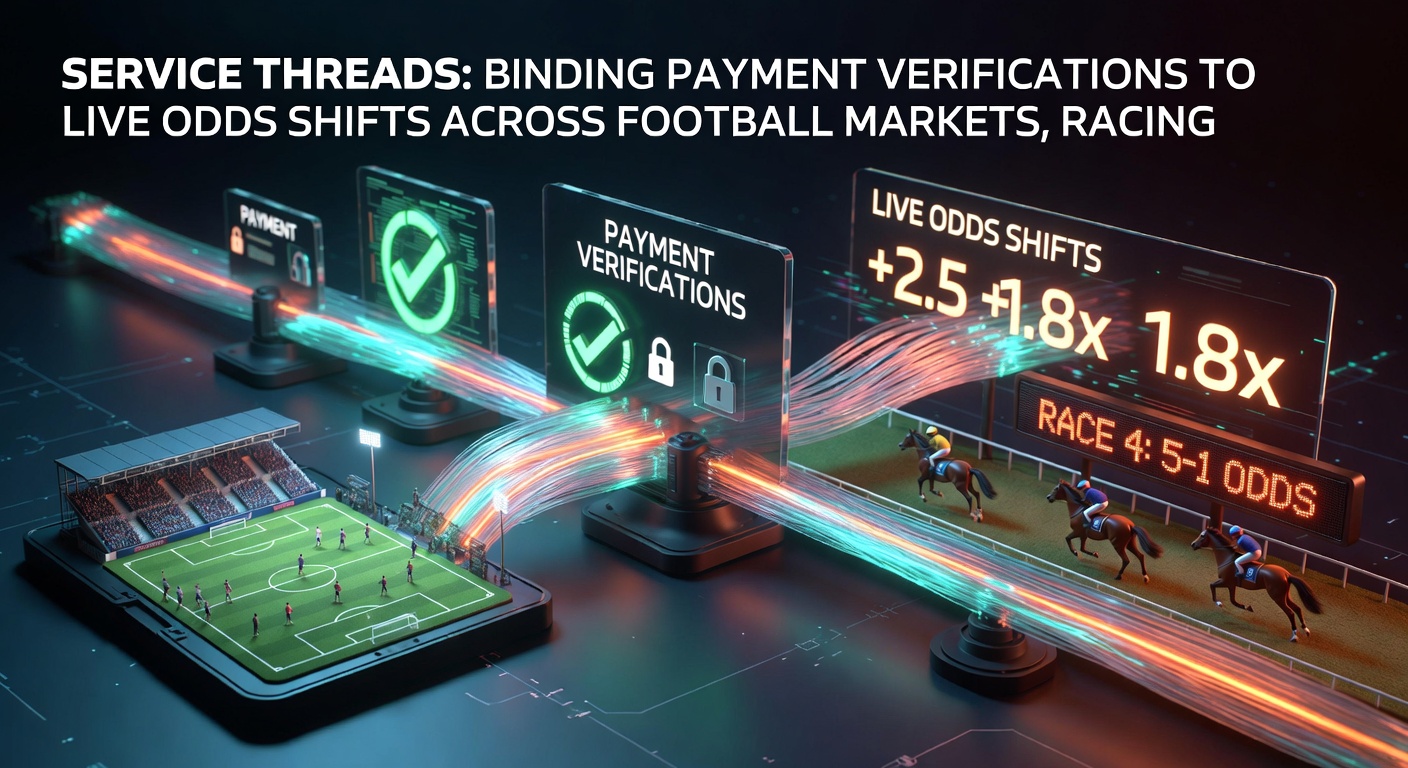
Racing cards integrate the same verification threads through tote system interfaces and fixed-odds engines that recalibrate payouts once payments authenticate. A confirmed deposit can alter starting price calculations or influence place market allocations, especially during late scratching periods when liquidity changes rapidly. Casino environments extend these connections to table minimums and slot volatility settings, where verified player balances prompt automated limit adjustments that reflect current session data.
Figures from the European Gaming and Betting Association reveal continued investment in these unified service layers through 2026, with particular emphasis on cross-vertical consistency. In May 2026, several operators plan phased rollouts of enhanced thread monitoring tools that track payment-to-odds handoffs across all three sectors, aiming to maintain audit trails that satisfy both internal risk protocols and external compliance reviews.
Technical Architecture and Data Flow Patterns
The underlying architecture relies on message queues and microservices that isolate payment verification from odds computation while maintaining tight coupling through standardized event schemas. When a transaction reaches completion status, the verification service emits a payload containing account identifiers, approved amounts, and timestamp markers that odds engines consume to recalibrate probabilities. This pattern supports football in-play adjustments, racing tote recalculations, and casino floor limit changes without requiring full system restarts.
What's notable is the use of idempotent operations within these threads, ensuring duplicate payment confirmations do not trigger repeated odds shifts. Research from academic institutions tracking gambling technology shows error rates dropping significantly when such safeguards combine with circuit-breaker patterns that pause updates during detected anomalies in data streams.
Regulatory and Operational Considerations
Regulatory frameworks in multiple jurisdictions require documented linkages between payment verifications and odds modifications to prevent market manipulation risks. Operators maintain logs of every thread execution that ties a cleared transaction to an odds change, supporting traceability during audits. These records prove especially relevant when examining activity patterns around major football fixtures, racing festivals, or casino promotions that coincide with peak transaction volumes.
Industry organizations continue evaluating how emerging standards for real-time reporting might influence these service connections, particularly as platforms expand across borders. The emphasis remains on preserving data integrity while allowing the rapid adjustments that live markets demand.
Conclusion
Service threads that bind payment verifications to live odds shifts represent a foundational element of contemporary betting infrastructure spanning football, racing, and casino operations. Their continued refinement supports accurate pricing and compliant transaction handling across diverse market conditions. As platforms evolve through 2026 and beyond, these integrations will likely incorporate additional monitoring layers that enhance both operational resilience and regulatory alignment without disrupting the core synchronization processes already in place.