Data Synchronization Approaches Linking Account Controls to Dynamic Probability Adjustments in Football, Horse Racing, and Table Game Platforms
Avery Schröder · May 31, 2026
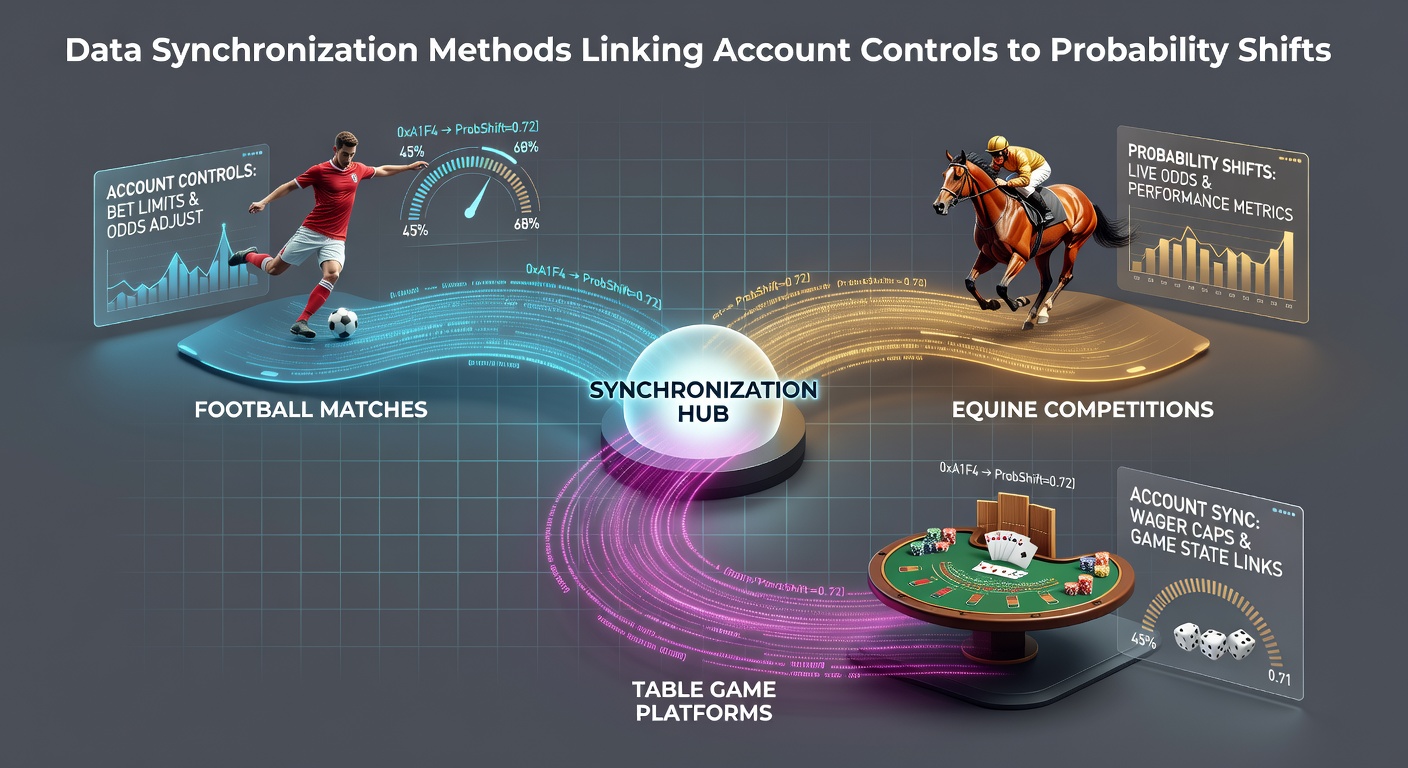
Data Synchronization Approaches Linking Account Controls to Dynamic Probability Adjustments in Football, Horse Racing, and Table Game Platforms
Operators in the betting sector rely on integrated data systems to connect user account settings directly with live probability calculations in football matches, equine competitions, and table game environments. These methods ensure that verification status, deposit limits, and session controls update in real time as odds shift during events, while maintaining consistency across multiple product verticals.
Core Mechanisms in Football Match Environments
Football platforms process vast streams of match data alongside individual account parameters through centralized APIs that pull information from both live event feeds and customer databases simultaneously. When a user completes enhanced verification steps or adjusts spending thresholds, the synchronization layer immediately recalculates available stake ranges against current probability models derived from team performance metrics and in-game developments. Research from the University of Nevada, Las Vegas indicates that such linked systems reduce latency between account changes and odds display to under two seconds in major European leagues.
Event-specific variables like goal scorers, red cards, and possession percentages feed into algorithmic models while account controls filter which outcomes remain accessible to verified users. This dual-stream approach allows platforms to maintain separate probability tables for different regulatory jurisdictions without disrupting the underlying match data pipeline.
Equine Competition Synchronization Practices
Horse racing operators apply similar techniques but adapt them to the unique timing requirements of race-day data. Form guides, track conditions, and jockey changes update continuously, yet account-level restrictions must align with these shifts before each race post time. Systems often employ message queues that prioritize account control updates ahead of probability recalculations, ensuring users operating under temporary limits receive adjusted market access without delay.
Studies conducted by the Australian Institute of Family Studies show that integrated synchronization reduces discrepancies between posted odds and permitted stake amounts by approximately 18 percent during peak racing festivals. Data packets containing both equine performance statistics and user verification tokens travel through the same secure channels, allowing real-time probability adjustments to reflect both sporting developments and compliance requirements.
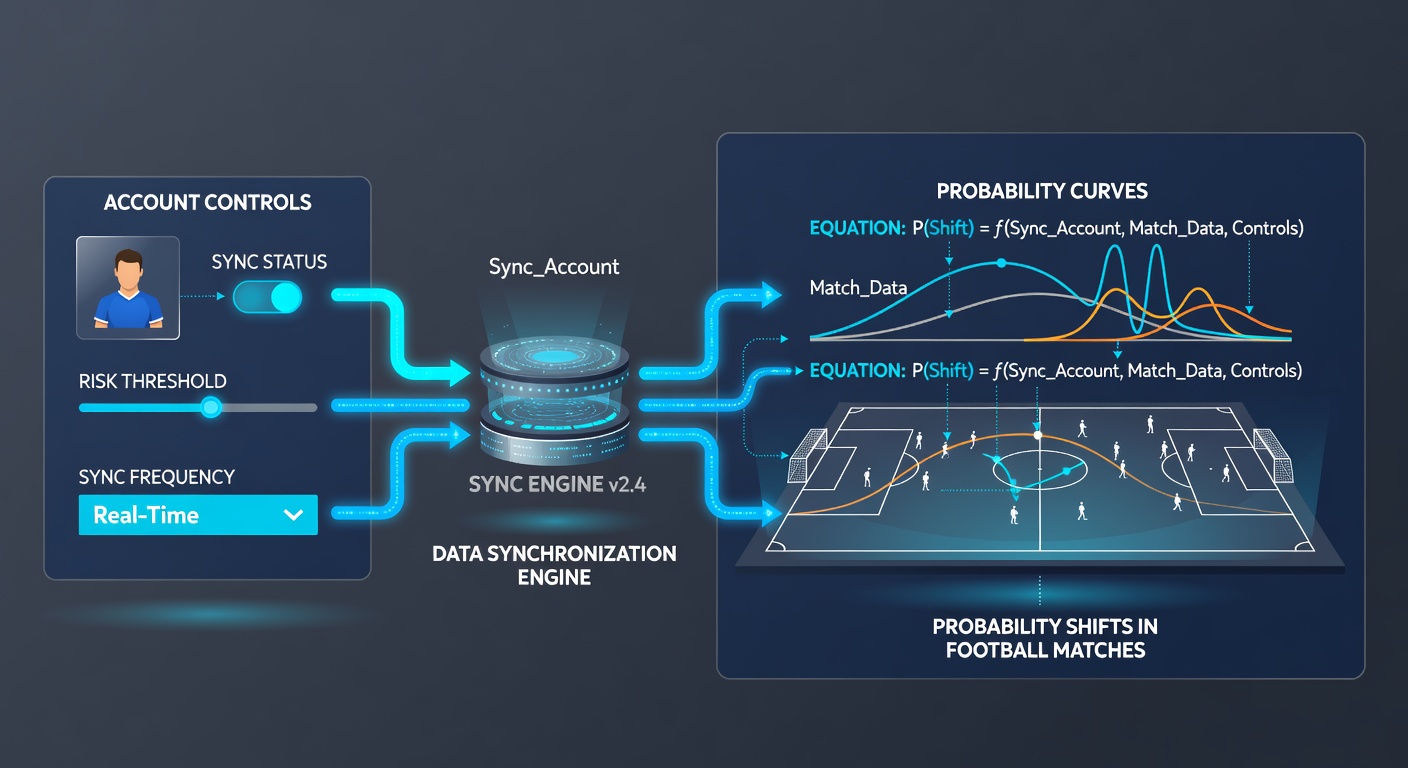
Table Game Platform Implementations
Casino environments present distinct challenges because table games such as blackjack, roulette, and baccarat operate on shorter decision cycles than sports events. Account synchronization here focuses on session timers, loss thresholds, and game-specific restrictions that must update between individual hands or spins. Providers utilize distributed ledger elements alongside traditional databases to create immutable records of control changes that simultaneously inform random number generators and payout probability displays.
European Gaming and Betting Association documentation from early 2026 highlights how certain operators achieved sub-second alignment between account modifications and table game odds during high-volume periods. These methods rely on event-driven architectures where any change in user status triggers an immediate broadcast to all active game instances, preventing situations where outdated limits persist after verification updates.
Technical Architecture Patterns
Modern implementations combine microservices with event sourcing to handle the volume of concurrent updates across football, racing, and casino products. A central orchestration service monitors both external data sources and internal account repositories, then publishes unified messages that downstream systems consume to adjust probability outputs. Redundancy layers ensure continuity even during partial outages, while audit trails record every synchronization event for regulatory review.
Observers note that platforms operating in May 2026 increasingly adopt containerized deployments that scale synchronization workloads independently from core betting engines. This separation allows targeted optimization when football tournaments generate extreme data loads or when major racing carnivals coincide with casino promotions.
Security and Compliance Integration
Encryption protocols wrap both account control data and probability calculations during transmission, while role-based access ensures only authorized services can initiate synchronization events. Compliance modules embedded within these pipelines automatically flag inconsistencies between user status and available markets, triggering alerts before discrepancies reach the customer interface.
Geographic routing rules further refine the process, directing data flows through jurisdiction-specific nodes that enforce local requirements without affecting global probability engines. This layered approach maintains operational efficiency while satisfying diverse regulatory frameworks across regions.
Conclusion
Effective data synchronization between account controls and probability systems supports consistent operations across football, equine, and table game offerings. The techniques described rely on established architectural patterns that prioritize speed, accuracy, and regulatory alignment, enabling platforms to manage dynamic market conditions while respecting individual user parameters. Continued refinement of these methods remains central to industry infrastructure development.