Charting Transaction Routes in Unified Betting Platforms
Tina Weber · Jul 14, 2026
Charting Transaction Routes in Unified Betting Platforms
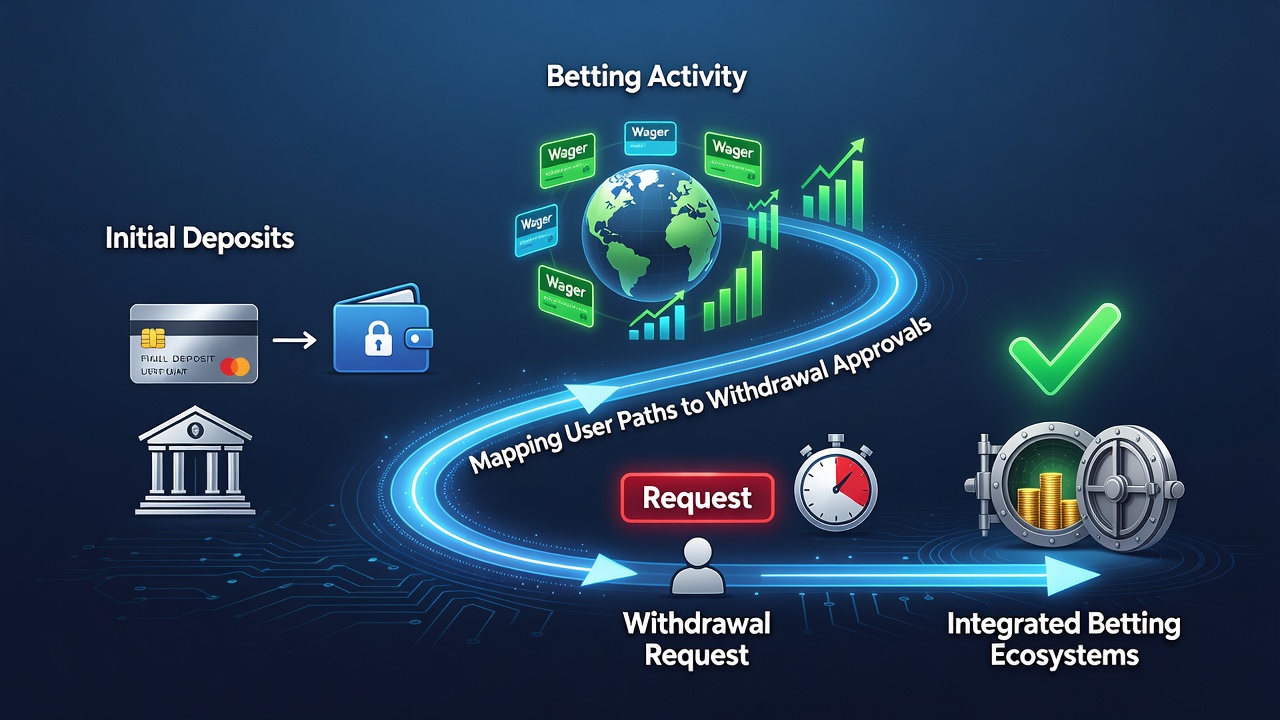
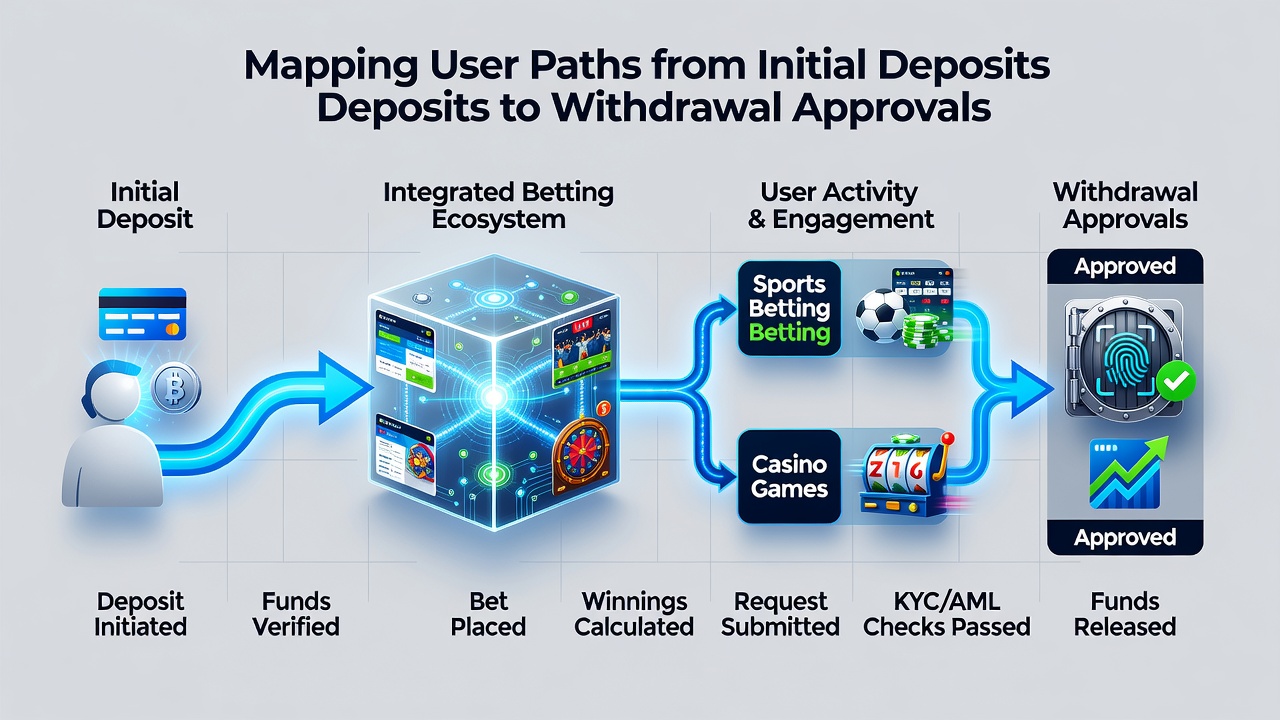
Integrated betting ecosystems combine sports wagering, casino games, and account management into single platforms where user paths from initial deposits to withdrawal approvals follow defined sequences of authentication, verification, and processing steps. Observers note that these pathways rely on interconnected payment gateways, risk assessment engines, and compliance modules that record each action in real time.
Initial Deposit Initiation
Users begin by selecting funding methods such as bank transfers, e-wallets, or card payments, after which systems trigger immediate checks for account status and available limits. Data from transaction logs indicate that successful deposits update user balances within seconds while simultaneously creating audit trails that link the incoming funds to specific account identifiers. Experts have observed that platforms often apply tiered verification protocols at this stage, with higher deposit amounts prompting additional identity confirmation before funds become available for wagering.
Path Tracking Through Wagering Activity
Once balances reflect new deposits, user activity generates sequences of bets, wins, and losses that platforms map against original funding sources using timestamped event records. Researchers discovered that these mappings help distinguish between promotional credits and cash deposits, allowing systems to enforce playthrough requirements accurately. Studies found patterns where repeated small deposits followed by rapid withdrawals trigger automated reviews, whereas steady wagering patterns proceed with fewer interruptions.
Withdrawal Request and Verification Layers
Withdrawal requests initiate a reverse path that begins with balance confirmation and proceeds through anti-money laundering screens plus responsible gambling checks. Figures reveal that approval times vary based on payment method, with e-wallet transfers often completing faster than bank transfers because fewer intermediary banks participate. Those who've examined platform architectures note that integrated systems route withdrawal data back to the original deposit source when possible, creating closed loops that reduce reconciliation errors.
July 2026 reports from payment processors serving multiple jurisdictions showed increased adoption of real-time fraud scoring models that evaluate withdrawal requests against historical deposit patterns. According to analyses published by the Australian Gambling Research Centre, platforms employing unified ledgers achieved faster average approval cycles while maintaining compliance standards. Meanwhile, data compiled by the National Council on Problem Gambling highlighted how transaction mapping supports identification of unusual activity without disrupting routine user flows.
Technical Mapping Tools and Data Integration
Operators deploy graph databases and event-streaming frameworks to visualize complete user paths as connected nodes representing deposits, bets, and withdrawals. These tools allow administrators to query specific sequences, such as all withdrawals linked to deposits made within the prior seven days. Evidence suggests that combining these visualizations with machine learning classifiers improves detection of coordinated account activity across multiple users sharing payment details.
Regulatory Reporting and Audit Trails
Comprehensive path mapping supports mandatory reporting obligations by producing exportable records that detail fund movements from source to destination. Regulatory bodies in various regions require retention of these records for periods ranging from three to seven years, depending on jurisdiction. Platforms that maintain granular mapping reduce the time needed to respond to regulatory inquiries because relevant data can be retrieved through structured queries rather than manual searches.
Conclusion
Mapping user paths from deposits to withdrawal approvals forms a core operational function within integrated betting ecosystems, enabling accurate fund tracking, compliance verification, and risk management. Continued refinement of these mapping processes aligns with evolving payment technologies and regulatory expectations across global markets.