Biometric Pathways Linking Identity Checks to Instant Fund Movements and Live Odds Shifts in Athletic Contests, Equine Events, and Card Tables
Sofia Becker · Jun 23, 2026
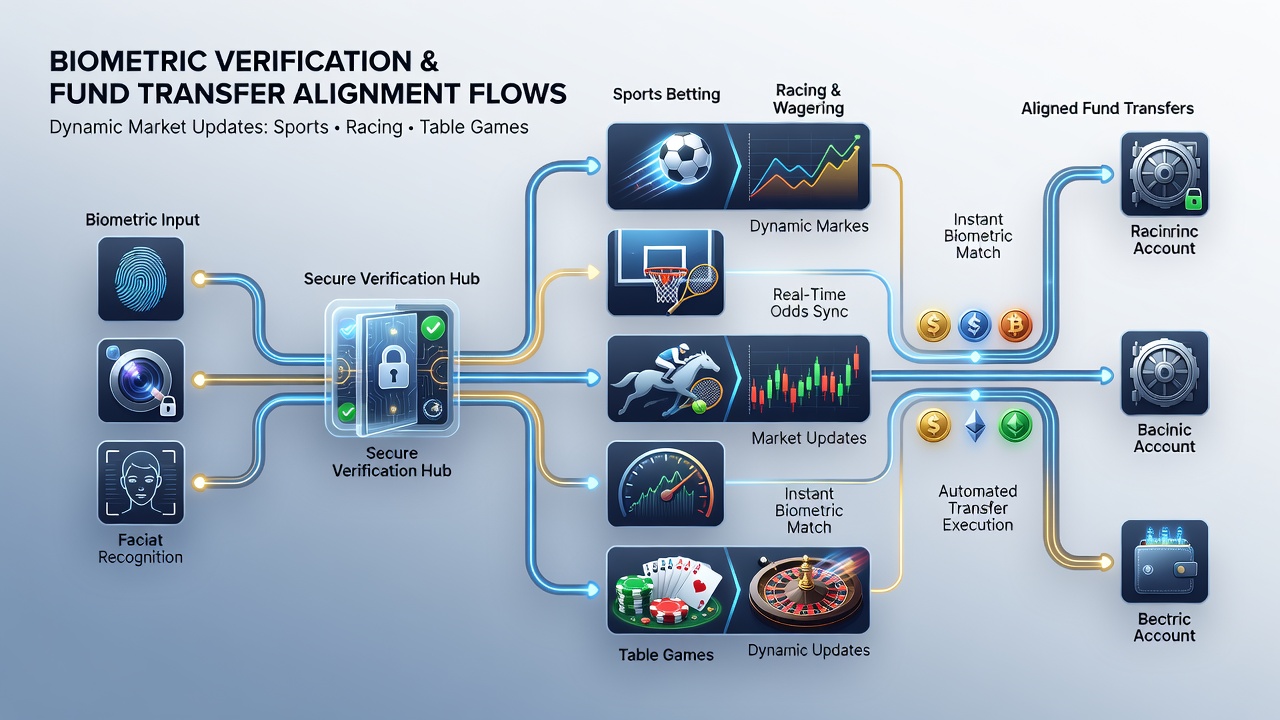
Biometric Pathways Linking Identity Checks to Instant Fund Movements and Live Odds Shifts in Athletic Contests, Equine Events, and Card Tables
Biometric verification systems now map directly onto payment rails and odds engines across sports betting, horse racing platforms, and table game environments, creating continuous alignment between user identity confirmation, capital transfers, and fluctuating market data. Operators deploy fingerprint, facial, and voice recognition layers that activate at deposit initiation, withdrawal requests, and during high-velocity live betting sequences, while data streams from event outcomes feed back into both verification thresholds and account balances without manual intervention. In June 2026 several multi-jurisdiction platforms rolled out updated protocols that reduced average verification latency to under 800 milliseconds, allowing fund movements to complete in the same window as odds recalculations triggered by goal-line changes or late scratches at race tracks.
Core Components of Integrated Flows
Verification begins when a user initiates a transaction through a mobile or desktop interface, at which point the system captures biometric data and cross-references it against stored templates held in encrypted vaults maintained by the operator or a licensed third-party processor. Simultaneously, an API call pulls the latest market state from the odds engine, checking for price movements that might affect bet sizing or available liquidity. The transaction proceeds only after both identity and risk parameters clear, with funds debited or credited in the same cycle that updates the displayed odds for connected bettors. Researchers at the University of Nevada, Las Vegas documented these synchronized sequences in a 2025 technical report that tracked transaction success rates above 99.2 percent across tested soccer and basketball markets.
Application Across Sports Markets
In team sports environments, biometric checkpoints trigger most frequently during live in-play windows when rapid score updates force constant re-pricing. A deposit made mid-match must clear identity validation before the new funds can be applied to an updated line on the next possession or set piece. Operators achieve this by embedding biometric sensors within the same session layer that receives live data feeds from stadium sensors and official scoring systems. Observers note that platforms handling European football leagues and North American basketball conferences have adopted these layered flows to maintain compliance with varying regional transaction reporting rules while supporting bet volumes that spike 300 percent or more during peak minutes of play.
Equine Racing and Real-Time Adjustments
Racing platforms apply similar logic to trackside and simulcast environments where scratches, track conditions, and jockey changes generate frequent market refreshes. Biometric confirmation occurs at both initial funding stages and at each odds adjustment point when a bettor elects to modify or add to an existing position. Because racing data arrives in discrete packets tied to official stewards' announcements, the verification engine pauses briefly to confirm that incoming funds match the current market state before releasing the wager into the pool. Data from the Australian Institute of Criminology's 2025 industry review showed that operators using these aligned systems recorded a 17 percent reduction in disputed transactions during the 2025-2026 Australian racing season compared with prior periods that relied on sequential rather than concurrent processing.
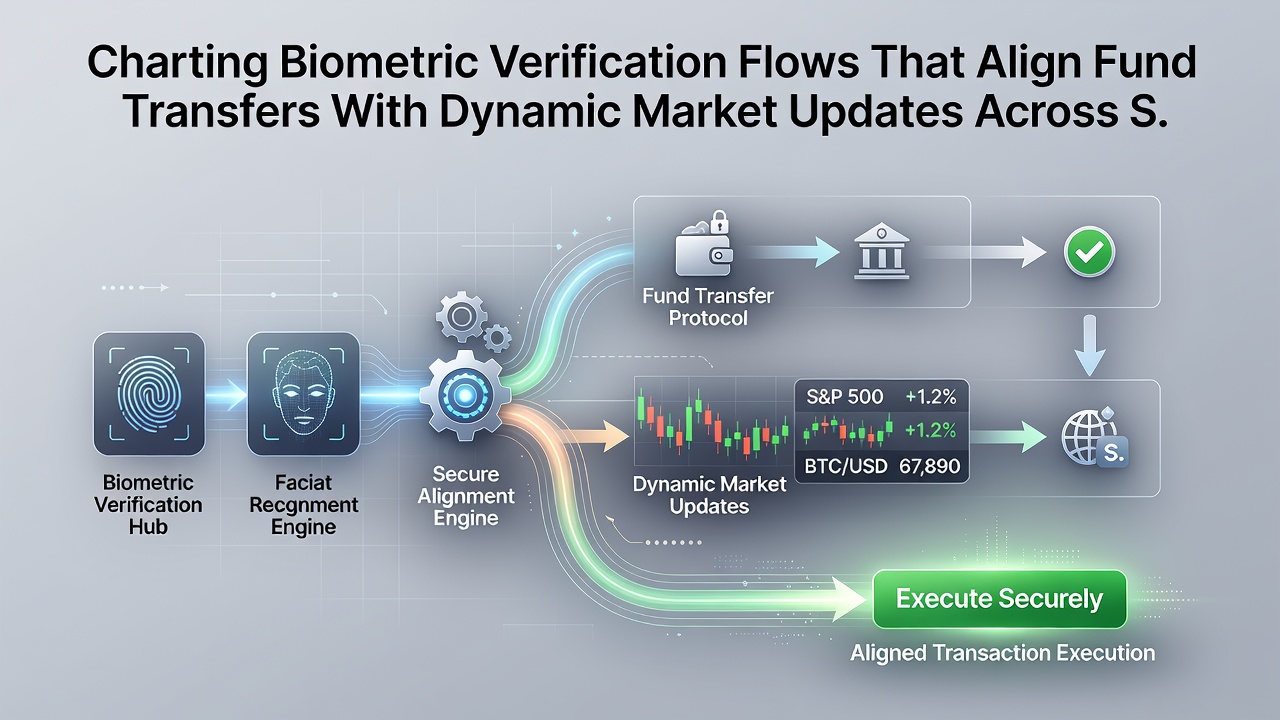
Table Game Integration Patterns
Table game environments, including blackjack, roulette, and poker derivatives, incorporate biometric gates primarily around session funding and mid-play top-ups when chip counts or bet limits shift with table minimum adjustments. Because these games often run on continuous random number generators or live dealer streams, the system must reconcile biometric identity with both the current table state and any promotional or bonus balances that may have activated since the last verification event. Several major operators now route table game transactions through the same central engine used for sports and racing, ensuring that a single biometric profile governs all product verticals and that fund movements remain visible across an account dashboard updated in real time.
Regulatory and Technical Considerations
Jurisdictions outside the United Kingdom have begun publishing guidance that addresses the convergence of biometric data handling and financial transaction timing. The Nevada Gaming Control Board issued updated technical standards in early 2026 requiring that biometric templates remain isolated from payment ledgers while still permitting millisecond-level synchronization for compliance logging. Similar frameworks have emerged in Canadian provincial regulations and Singaporean gaming oversight documents, each emphasizing audit trails that capture the precise sequence of identity confirmation, market data receipt, and fund movement. Industry groups such as the World Lottery Association have circulated best-practice notes that encourage operators to test these flows against peak load scenarios recorded during major international tournaments and racing carnivals.
Future Trajectory Through 2026
Additional refinements scheduled for the second half of 2026 include expanded use of behavioral biometrics that layer device interaction patterns onto traditional physical trait checks, further tightening the alignment between verification events and live market pulses. These developments are expected to support higher transaction throughput during simultaneous major events, such as overlapping football tournaments and thoroughbred festival meetings. Technical specifications released by equipment vendors indicate that next-generation processors will handle biometric matching, odds recalculation, and ledger updates within a unified 400-millisecond envelope, reducing the window during which market data and account balances could diverge.
Conclusion
The mapping of biometric verification onto fund transfer systems and dynamic market feeds continues to evolve across sports, racing, and table game offerings, driven by technical standards from multiple regulatory bodies and supported by performance data from academic and industry research sources. These integrated flows enable operators to maintain compliance and operational continuity while users experience seamless movement between identity confirmation and live betting activity.