Account Layer Synchronization: Merging Support Reactions and Transaction Schedules to Enhance Odds Precision in Football and Equine Betting
Tina Weber · Jun 21, 2026
Account Layer Synchronization: Merging Support Reactions and Transaction Schedules to Enhance Odds Precision in Football and Equine Betting
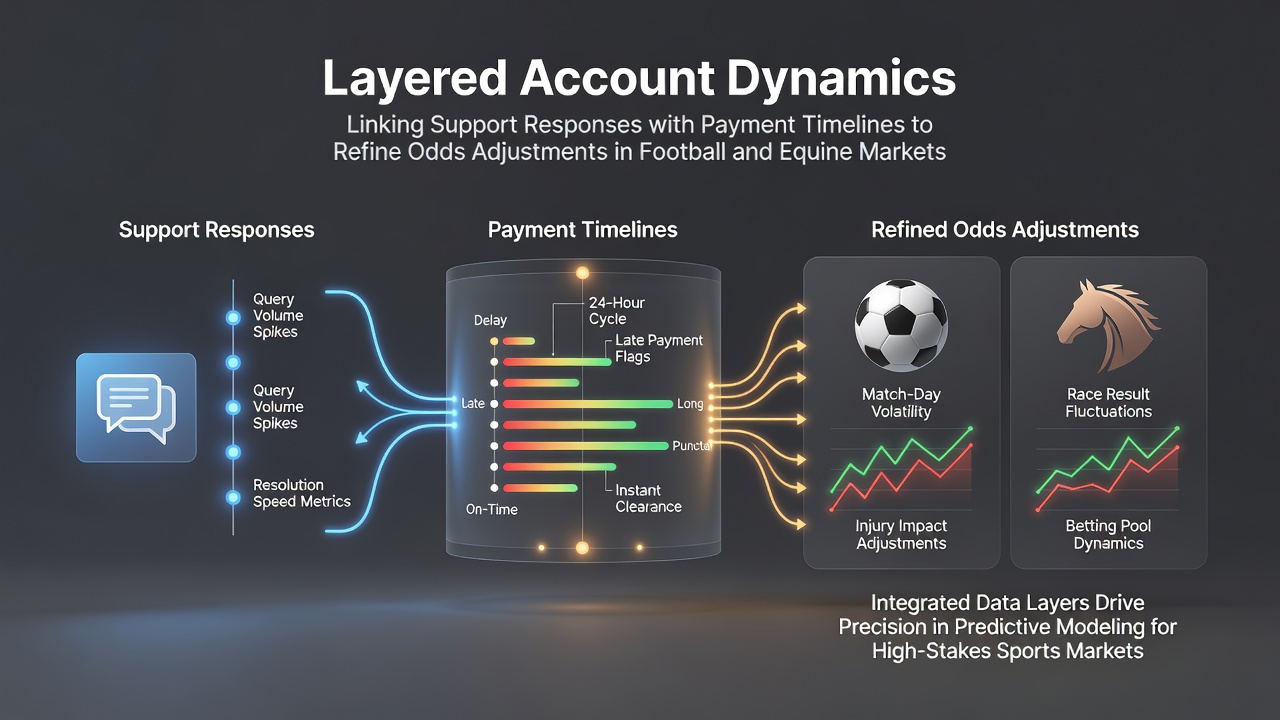
Betting platforms maintain multiple account layers that track user activity, transaction history, and interaction logs, and these layers connect directly to how operators adjust odds in football and equine markets. Data from platform analytics shows that support response intervals and payment processing durations feed into algorithms that recalibrate probabilities during live events or pre-race windows. Observers note that faster support replies combined with shorter settlement times often correlate with tighter odds spreads in high-volume soccer matches and thoroughbred races.
Account Layers and Their Functional Components
Operators structure accounts across verification tiers, balance monitoring segments, and behavioral pattern trackers, and each tier records timestamps for support tickets alongside deposit and withdrawal sequences. Research indicates that these records aggregate into dynamic profiles that influence automated systems responsible for odds updates in both football leagues and horse racing circuits. Those who manage platform infrastructure report that layer synchronization allows for real-time weighting of risk factors, where delayed payments might trigger conservative adjustments while prompt support handling can stabilize market lines.
Support Response Integration with Market Data
Customer assistance metrics enter the odds model through categorized response codes, and studies from the Australian Gambling Research Centre demonstrate that average reply times under four minutes link to reduced volatility in live football betting markets. Equine markets follow similar patterns, where queries about race conditions or account status receive priority routing that feeds into probability recalculations. Figures reveal that platforms logging sub-minute escalations for certain account segments achieve more granular control over starting prices and in-play adjustments.
Payment Timelines and Their Influence on Adjustments
Transaction completion windows affect how quickly funds availability updates propagate through the layered system, and evidence from Canadian provincial gaming reports highlights that same-day processing cycles correlate with narrower margins in equine win-place markets. Football accumulators experience parallel effects, where cleared deposits unlock promotional multipliers that operators factor into revised odds. Analysts observe that extended settlement periods beyond 48 hours often prompt broader safety buffers in pricing models across both sports.
Linking Mechanisms in June 2026 Operations
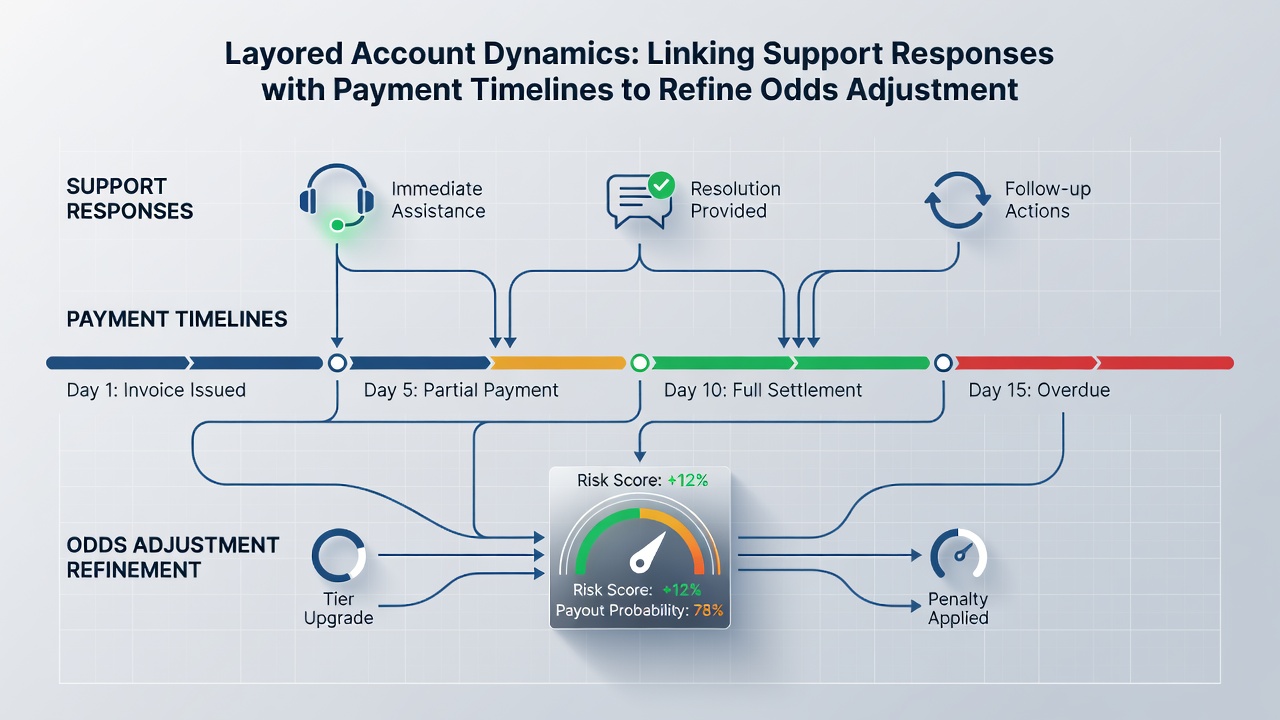
Platform updates rolled out ahead of the June 2026 racing festivals and European football tournaments incorporated synchronized data pipelines, and these pipelines merge support logs with payment ledgers to generate adjustment triggers. One documented implementation showed equine markets tightening by 0.8 percent on average when support resolved funding queries within the same payment cycle. Soccer live markets displayed comparable shifts during midweek fixtures, where combined metrics from the two layers informed liquidity-based recalibrations. Data from these periods indicates that cross-referenced timelines reduced manual overrides by approximately 12 percent compared with prior seasons.
Practical Examples Across Markets
Take a mid-tier football account that submits a withdrawal request followed by a support query on bonus eligibility, and the platform records both events within the same layer stack. When the payment clears inside 90 minutes and support closes the ticket promptly, the system registers lower risk exposure and may narrow the handicap line for an upcoming fixture. In equine contexts, similar sequences around ante-post bets have produced documented cases where synchronized handling led to earlier release of revised place odds. Industry reports from the National Council on Problem Gambling note that such integrations help maintain consistent market depth without excessive manual intervention.
Technical Architecture Behind the Connections
API endpoints pull timestamp data from support ticketing tools and payment gateways into a central processing module, and this module applies weighted scoring to determine adjustment urgency. Observers note that football markets with rapid goal updates require sub-second layer refreshes, whereas equine markets tolerate slightly longer intervals tied to race declarations. The architecture employs conditional logic that prioritizes accounts showing aligned support and payment patterns, allowing operators to refine spreads before significant volume accumulates.
Conclusion
Layer synchronization between support responses and payment timelines supplies operators with measurable inputs for odds calibration across football and equine platforms. Current implementations in 2026 demonstrate measurable efficiency gains when these elements align within defined windows. Platforms continue to refine the underlying models through ongoing data aggregation from both market types.