Account Architecture in Mobile Event Markets: Verification Layers, Payout Routing, and Query Resolution
Avery Schröder · Jun 30, 2026
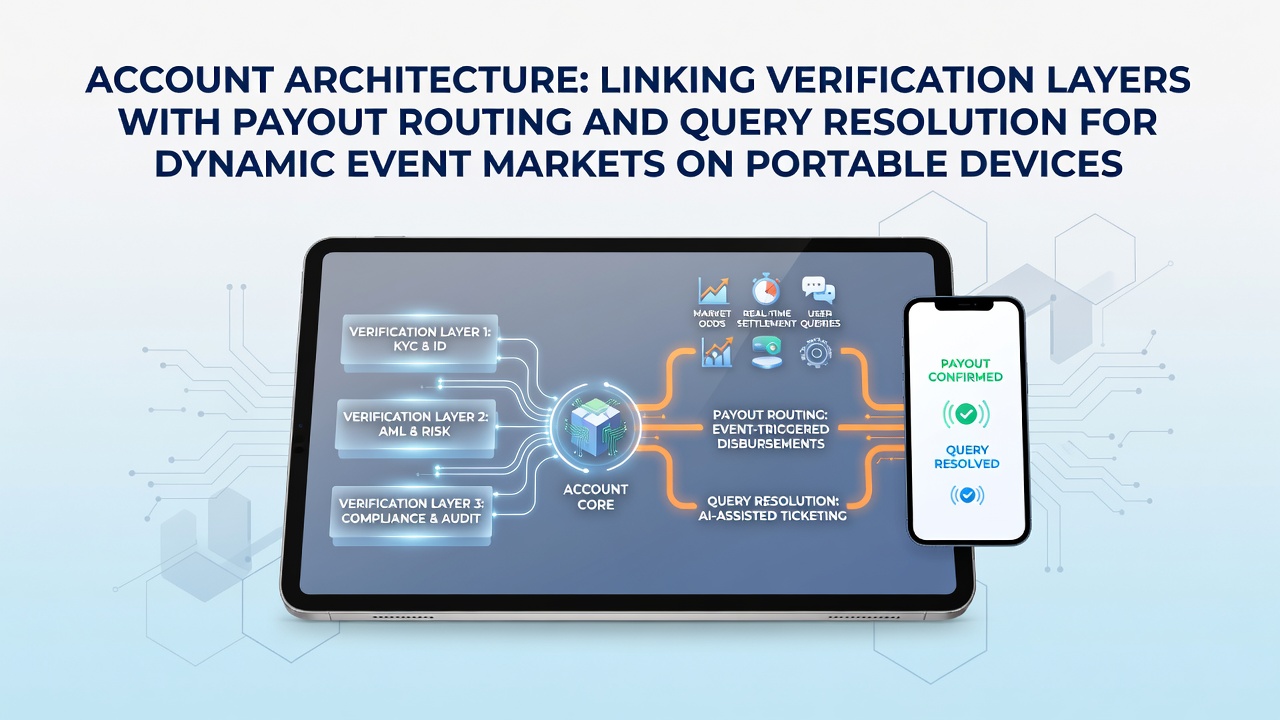
Account Architecture in Mobile Event Markets: Verification Layers, Payout Routing, and Query Resolution
Account architecture forms the backbone of operations on portable devices where dynamic event markets operate in real time, and operators link verification layers directly to payout routing systems along with query resolution tools to maintain continuous functionality, according to industry reports from the Australian Communications and Media Authority. Systems handle identity checks at multiple stages while routing funds through predefined pathways that adjust based on market fluctuations, and resolution protocols address user inquiries without interrupting ongoing transactions.
Verification Layers in Portable Account Systems
Verification layers stack identity confirmation processes that begin with basic registration data and extend into biometric and document-based checks as activity levels rise. Portable devices capture facial recognition or fingerprint scans during initial setup, then escalate to additional layers when users engage with high-volume or rapidly changing markets such as live sports outcomes. Data indicates these layered approaches reduce unauthorized access incidents by integrating device-specific signals like location and hardware identifiers with central databases.
Operators deploy these layers in sequence so that early verifications remain lightweight for quick onboarding while deeper checks activate automatically during payout requests or large position changes. Research from the University of Nevada, Reno's gaming technology studies shows that synchronized verification improves compliance across regions by allowing regional regulatory requirements to overlay core identity protocols without rebuilding entire systems.
Payout Routing Mechanisms
Payout routing directs funds from user accounts to external payment providers or internal ledgers based on verification status and market conditions. When verification layers confirm a transaction, routing engines evaluate factors including account history, current event volatility, and available settlement channels to select optimal paths. This process operates continuously on portable devices through background synchronization that updates routes in response to network conditions or regulatory shifts.
Dynamic event markets require routing flexibility because odds and outcomes evolve quickly, and systems must accommodate partial settlements or adjusted payouts without manual intervention. Figures from the Canadian Gaming Association reveal that automated routing protocols have handled increased transaction volumes in mobile environments by prioritizing secure channels that align with verification outcomes.
Query Resolution Integration
Query resolution connects directly to both verification and routing components so that support systems access real-time account states during user interactions. When a portable device user submits an inquiry about a pending payout or verification step, resolution tools pull data from linked layers to generate accurate responses within defined timeframes. This integration prevents delays that could arise from siloed information across separate modules.
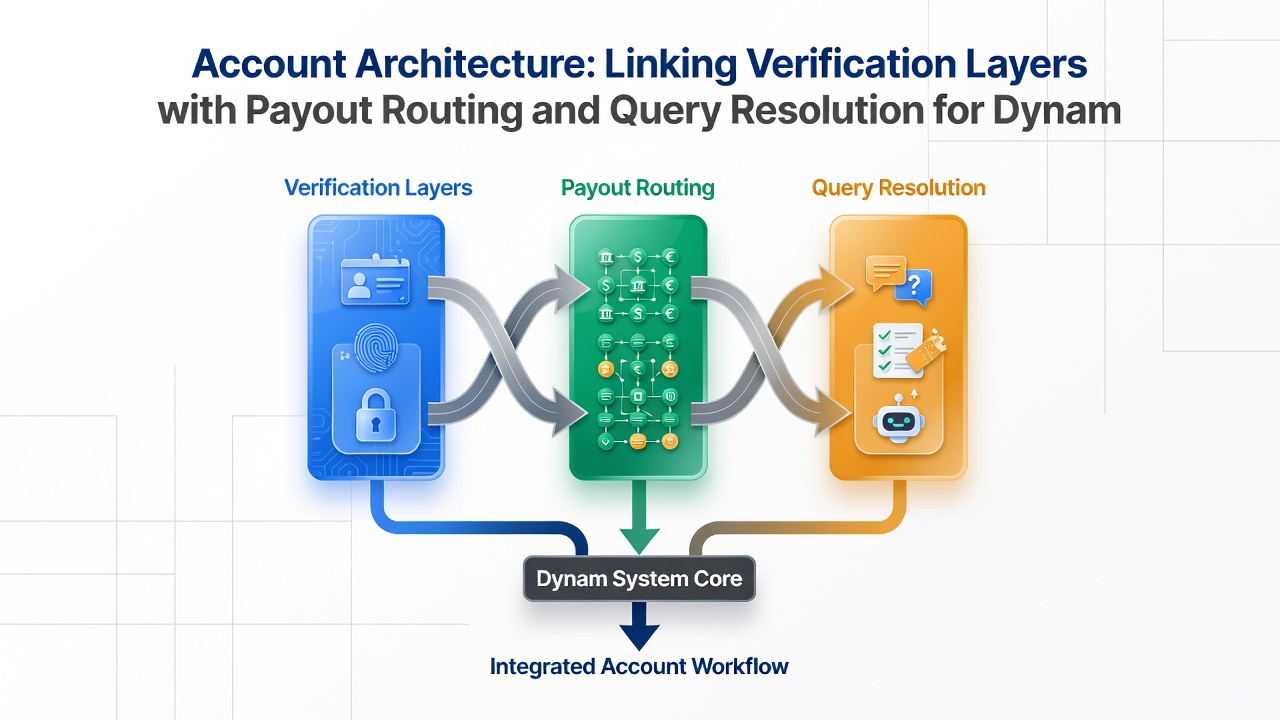
Resolution workflows often begin with automated diagnostics that check verification status and routing logs before escalating to human agents if needed. Those who've studied mobile platform architectures note that embedding resolution access points within the core account structure allows faster identification of discrepancies, such as mismatched routing selections or verification flags that affect fund movement.
Linking the Components on Portable Devices
The connection between verification layers, payout routing, and query resolution creates a unified architecture that supports dynamic markets where events unfold continuously. Portable applications maintain local caches of verification results while syncing with central servers for routing decisions, and resolution interfaces draw from both to provide consistent information. As of June 2026, updates to mobile operating systems have enabled tighter integration of these functions through enhanced API frameworks that reduce latency during peak activity periods.
Systems achieve this linkage through modular design where each component exposes standardized interfaces for data exchange. Verification outputs feed directly into routing logic, which in turn logs details accessible to resolution protocols. Observers note that this structure allows operators to scale across multiple device types while preserving data integrity during rapid market shifts.
Developments in June 2026
By June 2026, several platforms had expanded their account architectures to incorporate predictive elements that anticipate verification needs based on user patterns in dynamic markets. Routing systems began incorporating real-time regulatory feeds from multiple jurisdictions, and query resolution gained capabilities to simulate payout scenarios before final execution. These enhancements build on earlier frameworks and demonstrate how linked components adapt to growing mobile usage without requiring complete overhauls.
Conclusion
Account architecture that connects verification layers with payout routing and query resolution enables reliable operation of dynamic event markets on portable devices. The integrated approach supports compliance, transaction efficiency, and user support through coordinated data flows. As platforms continue to refine these connections, the underlying structures provide a foundation for handling evolving market demands across global regions.